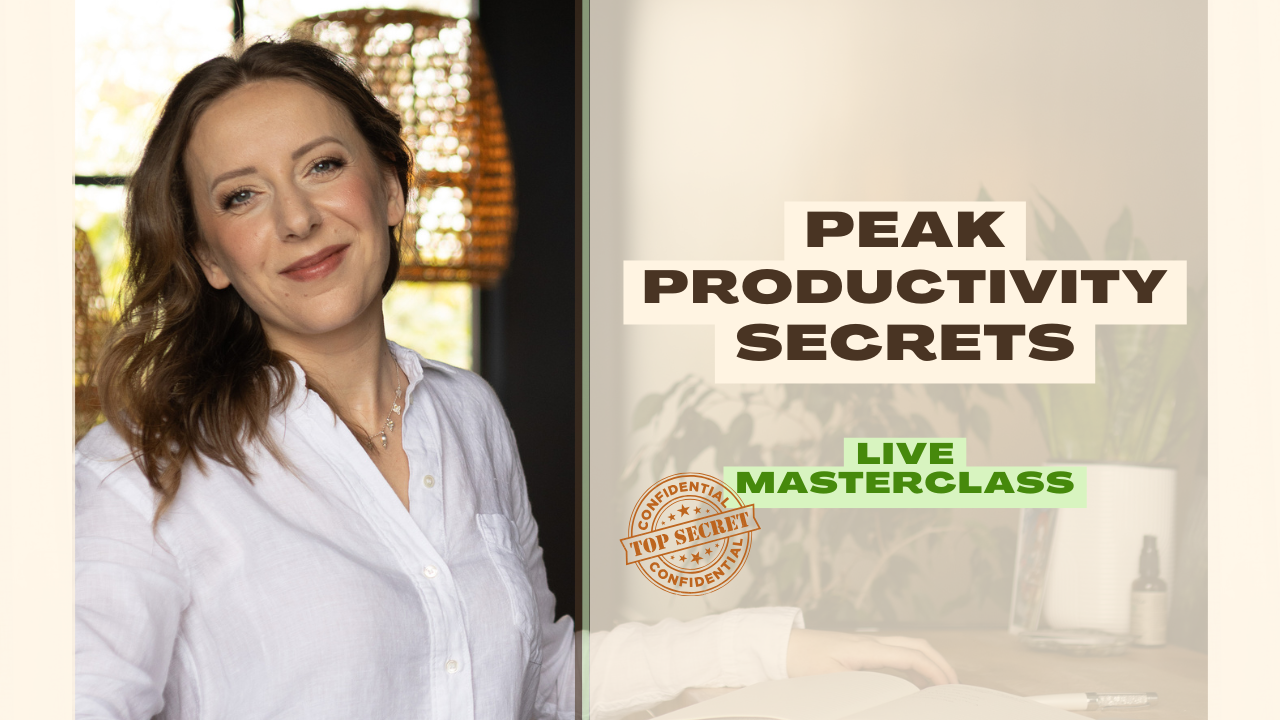
Resonance – Episode 26
Verbatim Transcript
Speaker: Viktoria Levenberg
Guest Speaker: Rochelle Marreiros
Rochelle Marreiros: We are measuring ourselves against a male-centric productivity system
first and foremost, and if we keep doing that, we will just keep getting burnt out. There are
women who are not ovulating every month because of the stress of work. Like, I know that a
lot of women are afraid to tell their boss that they are experiencing symptoms for fear of
being seen as incompetent. We’re still getting the job done, like, but we’re just in pain. I was
told it was just part of being a woman, but it’s not until I tried the protocol, and three
months later my cramps were gone. When you take these seeds in a therapeutic dose, they
will accumulate in the body and start to impact the cells, which then changes your
hormonal levels.
Viktoria Levenberg: Welcome! In today’s episode—this is so good—I can’t wait for you to
dive in. You are going to learn about why the productivity system that we work in today is
broken, and what you can do to learn and work with your body so that you can thrive, be
more productive, and actually feel good in your own skin. And the secret to that is
menstrual awareness.
And yes, this does apply to both males and females, because females are 50% of the world
population. So even for my male listeners here, I can guarantee that you have women in
your life—whether they are your family, whether they’re your partners, whether they’re your
colleagues—knowing and listening to this information is going to change how you view the
women in your life. And for the women listening, this is going to change how you live and
work. And you’re also going to learn what foods can nourish your hormones and when you
need it the most. I am so excited for you to hear this one—let’s dive in.
Viktoria Levenberg: Welcome to Resonance, a podcast for ambitious, heart-led humans
craving more balance, depth, and aliveness in their lives. I’m your host, Vik—health coach,
yoga teacher, facilitator, and fellow high achiever learning to live in tune with my nervous
system, not against it. This space is here to remind you that you can have it all—the career,
the success, the fulfilment—all aligned with your truth. Through honest conversations,
expert insights, and practical tools, we’ll explore how to work with your body, mind,
emotions, and spirit—not against them. And the best part—you don’t have to stay stuck in
survival mode to get there. Because true well-being is not about being perfect; it’s about
being in resonance. Let’s dive in.
Viktoria Levenberg: So let me introduce you to Rochelle, who is the founder of Seed Cycle
Blend. She is an incredible woman. She is also a speaker; she teaches about menstrual
awareness in the workplace. She has developed an incredible product, but this is also built
from the depths of her experience—living through incredible menstrual pain, being told
that this is just normal and part of being a woman. And thank goodness her natural
curiosity took her down the path of not necessarily taking this for granted and seeing if
there is a better way, which she did find—and she has built her business around it.
So in today’s episode, you are going to hear from the woman who taught me about my
menstrual cycle in my late 20s—can you believe this? Like, we dive into this, but these
things should be taught in, like, very kind of pre-puberty age. Yet here we are in our adult
life—30s, 40s, 50s—just learning this now. And so, um, look, the best time to learn this was
yesterday; the next best time to learn this is today. This really matters. And you know, the
particular, because most of us don’t know what half of the population are living through
daily. And I didn’t! Like, knowledge is power, right? Like, you don’t know what you don’t
know. And it wasn’t until I learned all of this and started to apply it to my life and body that
my productivity actually skyrocketed.
So without further ado, enjoy the episode. Maybe go on a mindful walk. If you’re driving,
drive safe. If you’re having a cup of tea, just relax on the couch. If you’re in your menstrual
phase, maybe snuggle up in a blanket and get cosy. Enjoy the episode.
Viktoria Levenberg: I swear the grounding moment is my favourite part of the podcast.
Rochelle Marreiros: Oh, it’s such a nice touch. I love it—great little start.
Viktoria Levenberg: Yeah! And welcome to Resonance, Rochelle. Thank you so, so much
for being here.
Rochelle Marreiros: It’s a pleasure. I’m so glad I can be with you in this moment in time.
Viktoria Levenberg: Yes! And you have so much wisdom—both, you know, life experience
and taught and lived—to share. And I guess before we dive into all the juicy goodies, could
you give us a little bit of an intro about yourself—who you are, what you do?
Rochelle Marreiros: Yeah, so I’m Rochelle. I am a certified nutrition coach and founder of
Seed Cycle Blend. Seed Cycle Blend is a whole-food menstrual health supplement that
helps to naturally regulate hormones. We also offer menstrual awareness education,
where we go into workplaces and teach on the importance of understanding the menstrual
cycle to boost our productivity and avoid burnout.
My experience is that I suffered my whole menstruating life with debilitating cramps, PMS,
mood swings, and I was told it was just part of being a woman, just something that you
need to put up with. But I’m a very curious person, and although I spent a lot of my life in
pain and suffering every month, some months I couldn’t get to work, some months I
couldn’t get out of bed because of the pain—I asked, why? Why am I experiencing these
menstrual symptoms? What’s actually causing the pain in my pelvis every month? And you
know, why is this happening basically?
And that took me, or led me, on the path of studying nutrition, studying the science of the
menstrual cycle, and understanding that my symptoms were due to a hormonal
imbalance—and that I could correct this hormonal imbalance with a shift in lifestyle and
nutrition. That’s when I stumbled across the protocol of seed cycling. I had tried all the
other devices, painkillers—you name it—and nothing worked long term. And seed cycling
was a protocol that—it’s the rotation of and consuming specific seeds (I’m sure we’re
gonna get into more details of it), but initially when I saw it, I thought, how can seeds make
such an impact on my hormones? It seemed like—I was very sceptical, basically. But it’s
not until I tried the protocol, and three months later my cramps were gone, and I haven’t
had debilitating cramps and debilitating menstrual symptoms since.
So, wow. Now, I’m a graphic designer as well, and I created the brand, and I just want to
make this protocol accessible to as many women as possible, just like I want to make the
education accessible to as many women as possible. That’s my mission here on out—
helping women to balance hormones and love their cycle. That’s essentially what we do
with Seed Cycle Blends.
Viktoria Levenberg: It’s so important. And you’re so passionate about your topic and what
you’re sharing, you know? There’s so many avenues that we’re going to go down—around
your cycle awareness, and also what I really love in your education. Because actually, you
are the first person who brought that awareness into my life—I don’t know if you know
this—but it wasn’t until I started attending some of your events and workshops, and I
specifically remember one with Tayla, where you spoke about skin and cycles, that it finally
clicked for me. I was like, oh! And I just don’t understand how, as women, we don’t know
this intricate function of our body. And it’s not taught in school. Like, we’re just told to, you
know, avoid getting pregnant in life sciences at school—but we’re not actually taught about
what’s going on.
Rochelle Marreiros: Yeah, yeah. It’s crazy that this—I mean, like, it looks crazy from this
angle, that like, why are you not learning about this? Once you understand it, you’re like,
what? This is kind of an essential part of biology. But the reality is, women have been
excluded from clinical trials and were only legally mandated to be part of clinical trials in
1993. So because of that—and you don’t know what you don’t know—we have to kind of be
gentle with our past and our history. And I personally like to take that approach instead of—
I like to think about what can we do now. I understand why there was such a lack of
education, because women weren’t studied enough, and therefore we didn’t have enough
data to make informed decisions or to teach our young girls what their cycle actually was.
I’m really grateful that in this time, we’re starting to get more data, and people are pushing
for studying the menstrual cycle, even though it is really complex.
And the reason that it was just kind of like “too hard basket.” But yeah, we—it’s now that we
know, we really should be bringing it into schools, and we really should be bringing it into
these spaces where young girls can feel more empowered about their cycle, as opposed to
“we’ll just give her the pill” or “just try not to get pregnant,” or “you don’t need a cycle,” or
“you don’t need a period, don’t worry about it,
Viktoria Levenberg: It’s just part of being a woman.”
Rochelle Marreiros: It’s part of being a woman—this thing that we get told so often,
because it’s the easy thing to say when you just don’t actually have an answer for why
you’re experiencing menstrual symptoms. So yeah, this is why I do the work that I do—to be
able to empower women, make them feel informed, and also invite the men to come and
learn about this conversation as well. Because I think it’s been quite a taboo topic, and we
need to work together to be able to bring it to as many people as possible.
Viktoria Levenberg: Yes, yes. And no one’s excluded from this conversation, as you say.
Even though hormonally speaking, yes, you know, our cycles are very different to the male
24-hour cycle, we coexist together. And once you understand what’s going on underneath
that, you have so much more tolerance. And I feel like you develop a deeper connection.
Like even before we started recording, you know how we shared with each other where we
are in each other’s cycles? I had this little kind of lightbulb moment—I was like, I wish
women started every conversation like that, because then that just gives you so much of an
understanding for where you’re at.
Rochelle Marreiros: One hundred percent. This is what I say when I—it's a bit of a random
analogy—but when you are in a workplace, if a colleague comes in and says, “Oh, my dog
died last night,” you go, “Oh,” and you adjust and you have more compassion, for example.
Same as when a colleague comes in and says, “Oh my gosh, I had this amazing win!” and
you can feel celebratory and energetic with them as well. It’s like, just this little bit of
information can actually help the environment that you’re in, and help your relationships.
Exactly like what you say—when we can share where we’re at in our cycle, it’s like, got it.
Okay, so I’m going to be mindful if we’re in luteal or menstrual phase, to keep things simple
and just, you know, get the same thing done. And this is what I say in my workshops as well:
you still get the same thing done, you just do it differently. And you do it in a way that is
comfortable and that is easeful. And that’s the difference—you’re not changing necessarily
the output of what you’re doing or the work or the results, I mean. It’s just doing it differently
in sync with your cycle.
Viktoria Levenberg: Yes. And there’s so much that I really look forward to hearing from you
about, yeah—working with your cycle. And what I found since I’ve learned your teachings
and kind of done my own research as well is, I feel like I’ve become more productive
because I am working with my body, not against it.
Rochelle Marreiros: This is it. This is it. Like, it’s—we don’t realise that in a male-centric
productivity system, we are being measured against male-centric metrics. And when we do
that to ourselves, we suffer burnout, you know? We push our bodies, we’re exhausted, we
ignore our body, then we have to recover from that downfall, which is the time that, you
know, we have time to heal and recover from that. Whereas if we did just work with our
cycle and just slightly adjust the things, it’s not like an overhaul of your life—it’s just being
aware and slightly adjusting energy output or certain choices that we make.
And that can avoid the burnout, that can avoid those crashes that we have when we are
pushing to try and match that male-centric productivity model.
Viktoria Levenberg: Yes, yes, exactly. And before we dive into that, I also love to ask all the
guests that come on here—like, what’s one thing about you that doesn’t show up on your
official bio? Because you shared, kind of, you know, your path and the nutrition and this
education side of things. And I would just love for us to get a little sneak peek behind the
curtains about Rochelle—like, what do most people not know about you?
Rochelle Marreiros: Something about me is—I maybe a bit… this is so cheesy to say, but
I’m a bit quirky or weird.
Viktoria Levenberg: Aren’t we all?
Rochelle Marreiros: But yeah, I have a real curiosity for different ways of living. I have a
real curiosity for two groups of people who think so strongly about what they believe in and
how they converse with each other and kind of share their belief. I like debates—I like
watching debates. I find it so interesting because these two groups of people are so
passionate about their thing. And yeah, I just love learning in that way.
So maybe that’s two things—I’m a bit quirky and odd, and I really enjoy different people’s
perspectives and how passionate they are about sharing those. I don’t know if that’s—
Viktoria Levenberg: Yeah, that’s definitely something that, you know, a random person
who just goes on the Seed Cycle website or looks at you on Instagram wouldn’t really know.
I would say that. I think—I don’t know if maybe I’m quirky too, which is why I say we’re all
quirky!
Rochelle Marreiros: I think it’s, yeah—and I don’t know, I think we’re conditioned to, like,
behave, you know? And I’ve definitely been caught out for—when I was at school when I
was a bit younger, I’ve kind of, like, learnt now—but caught out for just asking strange
questions and being kind of, I don’t know, being told that they can’t answer that, that you’re
not allowed to ask that.
Viktoria Levenberg: So interesting. Do you have an example that you’re open to sharing?
Rochelle Marreiros: Um, what’s something that I’ve asked? I think this might be a bit of an
edgy question, but I was in an English class when I was a kid, and there was a cartoon, and
we were meant to analyse the cartoon, and it was about civil marriages and how—
Viktoria Levenberg: Mmm-hmm, civil marriages.
Rochelle Marreiros: Yeah, that was kind of happening at the time, and I asked the teacher,
“What do they think of same-sex marriage?” And she was like, “I can’t answer that.” And I
was like, “Oh, sorry.” Like, I was just so curious, you know? I wanted to learn more about
this topic that I knew nothing about. But it just wasn’t the right question to ask in, like, an
English class, you know? So things like that, where I’m just like, that’s interesting, I wonder
about that, I’m going to ask you this question—and then I was like, oh.
But yeah, it comes back to that curiosity again. And the reason why I created Seed Cycling
is because I am just so curious about how the world works, how we can keep learning from
our biology, how we can keep learning from society and the world, and making it a better
place in all of those different areas of life. So yeah, it’s something that—it’s a blessing and a
curse, maybe, that I’m that curious. But I wouldn’t change it for anyone.
Viktoria Levenberg: Exactly. And I would argue that it’s actually—you know, we need more
curiosity in the world. Because there are so many kind of sparks flying in my neural network
right now around—you know, the quality of the questions that we ask determines the
quality of our life. And if we always just stick to what we’ve been conditioned into and
taught, then we won’t evolve.
Like, curiosity is where evolution and innovation and new ways of thinking and being and
living come from. And, you know, that response by your teacher is probably just a mirror
and reflection of her own shadows and things that she didn’t feel comfortable with. So I
love that you’re still very curious. And I’m similarly as you—very open-minded, you know,
like quite the third-culture kid. So it’s just like, there is no right or wrong ever in a society
that tends to think in black and white. There’s so much grey matter, and so the more we
explore that grey matter, I think the better we all are.
Rochelle Marreiros: Yeah, and we can just take the bits that resonate with us. Because
exactly like what you say—it’s not about being right or wrong, because otherwise
everything’s right and everything’s wrong. It’s like, you see what—you find out who you are,
and then you go and live your life, and you take things and take them as your own, and make
that part of your identity or your beliefs. Or maybe you change it as you get older and you
want to take this on.
So I think it’s nice to kind of go through life with that attitude where, I mean, things can be
right and wrong for you, but it’s not necessarily—that’s not the fact of things. Even science,
you know—science is questioning things. We can say “this is science,” but science itself,
like the practice of science, is questioning life. And there’s only an educated guess based
on data that we can take, which can be super beneficial when you’re trying to, like,
substantiate something like seed cycling, for example. We’ve had some clinical trials that
have been amazing for that.
But even then, we’re still exploring, we’re still learning more, we’re still, um, curious. And I
think that that’s what it comes down to—it’s that curiosity, um, where you can see what
works for you, see what resonates, and then leave the rest.
Viktoria Levenberg: Exactly. And I love that you said that, because it’s literally what I say on
this podcast—it’s like, it’s Resonance. If it resonates with you, great. If it doesn’t, that’s also
great. You keep learning more, and you—
And we’ll kind of pivot into the seed cycling and the science side of it, but you said
something really important here that I think, like, the average—the average human that isn’t
in the science world—doesn’t know. And it’s the fact that actual clinical trials and studies,
like if—if you read the actual papers, which I’m sure you’ve done—you always see that, like,
anything is possible.
The outcome’s never certain. There’s always more research needed. And you can have two
papers proving the complete opposite thing. And so the headlines that we see in the media
are just what gains popularity. But there’s actually no, like, universal truth.
Rochelle Marreiros: No, and it’s just like, honestly, we can interpret papers how we want,
you know? Like, yeah. When I watch these debates of people who have, um, incredibly
strong opinions and beliefs, it’s—it’s less about the facts of the situation or the data of the
situation and more about how defiant are you on your belief.
Because that’s all that matters. There’s people who—there’s no research for anything about
this particular topic, but they are dead certain that, like, the—the—the earth is flat, you
know?
Viktoria Levenberg: (laughs)
Rochelle Marreiros: You can’t actually argue with those people because they already
believe it. So it’s like, I mean—and you can, you can offer—if people are open to it—and this
is where we come back to curiosity. People have to be open to having a conversation that
may change your mind.
And that can scare people a lot. Because if we attach a lot of who we are and our identity to
our beliefs—whether that’s religious, political, cultural, social, um—the thought of
becoming a different person and changing could also mean that you lose friends, or you
have to end a relationship, or you have to move country, or—you know, and all of those
things are really terrifying for a lot of people.
Because the core of us is—wants to be secure. And security—and also security looks like
being part of the tribe, you know? Being part of the group. And, yeah, the thought of being
severed from that is really scary. And it’s a reason why people stay very comfortable with,
um, what they already know, and why it’s a little bit harder to step outside of what they
know and possibly have their minds changed.
And, yeah, I just find that very curious. I’m—I’m, yeah, very interested in that dynamic of,
um, being a human.
Viktoria Levenberg: Yes. And as you say, it’s, um—you’ve got to be open-minded in order to
be ready to receive that new information. And what’s new and unfamiliar is a threat to our
nervous system. So our survival, reptilian brain immediately pushes that out.
And you’re kind of building that bridge to the burnout realm—like, if you’re already
exhausted and burnt out and your nervous system’s, like, flat out, kind of just out—there’s
no way that there’s any capacity to take in anything new that may be contrary to your
existing beliefs and foundations, because that’s—that’s gonna be the tipping point.
And so hopefully—
Rochelle Marreiros: (laughs) Yes!
Viktoria Levenberg: You go.
Rochelle Marreiros: Oh no! It’s just saying it’s not safe, you know? Like, you’re absolutely
right. It’s just—we are constantly scanning our environment and ourselves to see if we are
safe enough to do something different or change who we are, you know?
Um, I believe sometimes, like, on the other side of that, I feel like fear and adrenaline can
actually push us to do different things, um, even if we are in that kind of fearful state. I think
we still have the opportunity to, um, let something new in and see—see what happens, you
know?
I know I’ve done that when—and I’m sure you have too, living around the world—where
you’ve just—it’s been really scary to do something, but you’ve done it anyway, and it’s like,
oh cool, like, that was actually—that was great, you know?
So maybe it’s the balance of, um, having those two different—two different mindsets, you
know? Where you can be fearful and not wanna do anything and be kind of paralysed, or
fearful and do it anyway and see what happens, because you’ve—your mindset has
allowed you to kind of take that step, you know? It’s fast—I don’t know
Viktoria Levenberg: Yeah. yeah. Yeah, I definitely agree. And I think courage is a big
ingredient in that. Instead of—you know, a lot of people think about courage before the
action, but actually no, courage comes from action.
And clarity comes from actions. Like, sort of, uh—you know, I guess it’s such a cliché
quote: “Feel the fear and do it anyway.”
Rochelle Marreiros: That’s it, yeah.
Viktoria Levenberg: That’s what it is.
Rochelle Marreiros: Yeah, I love that. Courage—such a good one. That’s the mmm
ingredient. Curiosity and courage—like, some of my favourite.
Viktoria Levenberg: Yeah. And I can really see that in even our dialogue now, you know?
Kind of the way you speak and how you’re framing two different sides of the story. And, um,
I would really love for you to share now, you know, where your curiosity has led you to
discovering seed cycling.
And you lightly touched on it earlier on, but for, um, listeners who may have never even
heard of what seed cycling is—so they’re like, “What? What seeds are you talking about?
What is this?” you know—can you explain it? Can you give us a bit of a lay-down of what is
seed cycling, and then what is Seed Cycle Blend as well?
Rochelle Marreiros: Yes! Seed cycling, like I mentioned—the curiosity came from, um, not
wanting to be in pain anymore. And like, surely there is a reason why I’m in—I’m in this
situation. Um, and then revealing that, um, we shouldn’t be in debilitating pain and that it’s
likely due to a hormonal imbalance, um, and lifestyle imbalance, you know.
Like, stress really impacts the, um—the, uh, HPG axis, which is your brain and your ovaries
speaking to each other. Um, and that’s where kind of hormonal imbalance can happen for
our cycle.
Yes. So this led me to study nutrition. Um, I actually bought a book before I went into my,
um, nutrition coach studying. I found a book called Cooking for Hormonal Balance,
because I started to understand that, okay, my hormones were the thing here. So I’m going
to try my hormonal imbalance.
And it was in that book that—and I think it was by Doctor Isabel, I can’t remember now—
but it’s called Cooking for Hormonal Balance, yeah. And it’s in that book that I discovered
the protocol of seed cycling.
And it’s a nutritional protocol—it’s where you take specific seeds at different times of your
cycle. So, uh, we know this—the cycle is roughly 28 days; everyone’s different, everyone
ovulates on a different day. Uh, but roughly, if we’re taking the 28-day cycle, you have your
follicular phase, which is from the first day of your period until ovulation.
Ovulation—so the follicular phase, I’m gonna just—I’ll give a quick little rundown.
Viktoria Levenberg: Please do, yes!
Rochelle Marreiros: In context, um, the follicular phase is when you have a little follicle
that holds an egg, and your ovary has selected that egg to be matured, ready for ovulation,
which is when it bursts from the ovary.
So that’s why it’s called the follicular phase, ‘cause the moment you start bleeding, the
body goes, “Alright guys, we need to get another egg. Let’s get this show on the road!” And
so—
(laughter)
As it matures, you go through the follicular phase until ovulation, and then we will get a rise
of estrogen, a rise of another hormone from the brain, which is follicle-stimulating
hormone. And the ovary will burst the—the egg out of its follicle, um, and the egg will go
into the fallopian tubes hoping to be, um, fertilised within a 24-hour window.
That’s the only time a woman can get pregnant. And then what’s left over is the little sack of
the—the follicle, which is now called the, uh, corpus luteum. And this is where this little
sack will start to produce progesterone, which is one of our most—like, they’re all
important hormones—but progesterone is the hormone that makes you feel calm and
relaxed.
And a lot of the time, women don’t have enough of this hormone. Um, we are often very
dominant in estrogen, which makes you feel the opposite of progesterone, just before your
period. So then we go into that luteal phase in the second, roughly the second half of the
cycle, from ovulation until our next period.
How seed cycling works is you have specific seeds in these two main, uh, halves or slots of
your menstrual cycle. So you will take pumpkin seed and flaxseed in the first half. This is
going to help the egg—the nutrients in the seeds are going to help to regulate estrogen, um,
and detox estrogen. So it will—
There’s a nutrient called lignans—
I hope you’re still with me!
(laughs) I know this—
Viktoria Levenberg: I am so with you.
Rochelle Marreiros: Oh yeah. So there’s—there’s a number of nutrients in these seeds
that, when you take seeds in a therapeutic dose—this is the difference here—this is where
you can kind of go from scepticism to, like, medicinal use of food.
Viktoria Levenberg: Yeah.
Rochelle Marreiros: Um, when you take these seeds in a therapeutic dose, they will
accumulate in the body and start to impact the cells, which then changes your hormonal
levels.
And the nutrients—my main nutrients—are lignans. Lignans are little nutrients that plug
into receptors on the surface of a cell. So, like a little key and lock—locks in—and it checks
if you have too much or too little estrogen, and it will either block or stimulate that
estrogen. So that’s one way that it regulates estrogen.
There’s another nutrient from the pumpkin seeds called beta-sitosterol, and that is going to
attach to excess estrogen and flush it out of the body. So these two seeds do—there’s a
range of other nutrients like, um, omega—omega threes, essential fatty acids—which are
the building blocks for all steroid hormones, all sex hormones.
It satiates us over time, so we regulate those levels of, uh, cortisol and blood—blood sugar
spikes—and heaps of beautiful minerals. We’ve heard about magnesium, I’m sure, about
how that helps with cramping, with, um, muscle relaxing—that is found in the, uh, pumpkin
seeds as well.
And then we have the other seeds. So you’re taking two tablespoons daily of the blended
pumpkin and flaxseed, and you’re having that in whatever you’re already eating, which is
great—it’s super versatile—‘cause it’s a food in a therapeutic dose.
And then we go into—you’re taking that until ovulation, then we switch to our lute blend,
which is for the luteal phase. This is where you have sesame and sunflower seed. These
nutrients are going to help with, um, supporting the production of progesterone.
So there’s no foods, um, that actually stimulate progesterone production like the flaxseed
and pumpkin seed, for example, um, but it helps to create an environment where your body
wants to produce more progesterone, which is what we need in that luteal phase to help
with all the different functions of thickening the lining of the uterus, um, making sure
there’s the right nutrients in there in case the egg gets fertilized, for example.
And we have in there selenium—that is one of the main nutrients that helps with that
progesterone production. Also things like pantothenic acid, which sunflower seeds have
the highest, um, potency of pantothenic acid, and that actually helps with regulating
neurochemistry, which is, a lot of the time in the luteal phase, um, we can experience a lot
of the kind of neuroinflammation, I would say.
So a lot of like overthinking, a lot of irritability, um, feelings of anxiety, feelings of
depression—and these kind of nutrients basically just level that. And they make you feel
balanced.
Um, once again, those fats are going to be incredible. So it’s that combination of the
lignans, the fats, the minerals, and a number of other nutrients. We’ve got some protein in
there as well—there’s lots of fiber in seeds, which is incredible.
So the full picture of nutrients that you need to, uh, not only support your, you know, normal
bodily functions, but really get into nourishing your hormones, um, throughout your cycle
so that you can reduce those menstrual symptoms.
Um, so that is seed cycling. I hope that kind of covers most things in terms of how you do it,
um—which is two tablespoons of either the full blend in your follicular phase, or your luteal
blend in the luteal phase. Put it on whatever you’re already eating—I mix it with yoghurt, or
put it in a smoothie. I made some guacamole the other day—or some hummus—yeah!
Viktoria Levenberg: Yum!
Rochelle Marreiros: There’s so much you can do, it’s super versatile.
Viktoria Levenberg: And you’ve got so many recipes on your page as well!
Rochelle Marreiros: Yeah, yeah—it’s super easy to incorporate,
Viktoria Levenberg: And it’s anytime during the day. Like, you don’t need to worry about
mixing it with any other supplements, like—you know when you take, like, iron or zinc, you
have to be really careful when you— It’s like—just whenever.
Rochelle Marreiros: Yeah!—it’s good, you know? Like, your body recognises it. You don’t
have to, um—yeah, like you say, you don’t have to be specific about when you take it. I
mean, the morning tends to be a bit easier for me, because it’s—it’s—I just put it on my
scrambled eggs, and then I’m kind of done for the day.
But yeah, seed cycling is effective through its, uh, nutrient-dense—uh, like nutrient density
taken daily. Um, that’s the secret of it as well. And it’s fluctuating those nutrients, instead of
just taking one supplement throughout the whole month. You’re taking foods for your
hormones when they need it the most—you know, not just, yeah.
Viktoria Levenberg: Yeah.
Rochelle Marreiros: taking the set—I mean, we’re not men, right? And yeah, we need
different things at different times of the cycle.
Um, and that’s why I created Seed Cycle Blend, because it wasn’t available at the time.
When I started about four years ago, there was no product on the market that was ready—
ready to use, ground into the right doses, um, and with, you know, certified organic
ingredients, and, um—yeah. I just wanted to make it because it worked so well for me.
And I had seen a lot of anecdotal evidence that—at that stage, there was only anecdotal
evidence—but I was just like, surely this is—if it’s helping so many women, the science will
catch up. And it did in the end.
We’ve had a clinical trial now of seed cycling as an adjacent treatment to PCOS.
Viktoria Levenberg: Wow.
Rochelle Marreiros: Amazing results. So they they compared metformin, which is a
common pharmaceutical drug for PCOS, and cinnamon, and seed cycling outperformed
on every metric.
Viktoria Levenberg: Wow.
Rochelle Marreiros: On hormonal—wow—on cysts on the ovaries, uh, weight loss, um,
satiety—like, feeling satiated, you know—all these different metrics. And, um, yeah, we’re
just—we’re just so proud to have been able to make this accessible to more women.
That is the most important thing to me—is that we are helping as many women as possible
with this protocol. Because it’s natural, it’s—your body recognises it. Unless you’re allergic
to the seeds, you’re not gonna have any side effects like a lot of other medication. Um, and
it’s just super easy to incorporate it into your life. So yeah, yeah—that is seed cycling.
I don’t know if you have any other kind of, like, specific questions about it, but that’s the
basis, like—that’s the foundation of seed cycling and how it works.
Viktoria Levenberg: And thank you so much for sharing that, because I find that, um, you
know, at the end of the day in life, things are so simple. And we as humans tend to really
overcomplicate things.
And, you know, going back to what we were talking about earlier, when something might
challenge someone’s way of thinking—being like, “How can these four seeds so drastically
change my hormones?”—and taking them at the right time, in the right dose, in the right
place, in the right way, over a sustained period of time as well—that’s really important,
because change doesn’t happen overnight.
Rochelle Marreiros: Yeah.
Viktoria Levenberg: That’s really—you know—
Rochelle Marreiros: Yeah, yeah.
Viktoria Levenberg: There’s—there’s so much underneath that that then enables, um,
these results. And I just wanted to reflect a few things that really stuck out for me as you
were talking.
You know, especially as you spoke about the, um—the lignans and the, sort of, the lute
blend nutrients and how they, uh, bind to estrogen for it to come out and kind of see if the
body needs more or less—like, that’s basically like an adaptogenic, uh, blend.
So—and, uh, maybe you can explain for people who don’t know what adaptogenic
means—but just like, I think it’s so miraculous, I could nerd out on this for ages, about how
the body, when provided with what it needs, does what it should do.
So can you just explain what adaptogenic means, and like, what those nutrients do
depending on what your requirements are?
Rochelle Marreiros: Yeah, well—it’s—it’s kind of in the name, right? Like, the—the nutrient
adapts to what you need. And I think so often that adaptogens are herbal, and they’re like
ashwagandha and these other herbs that, um, fall under that category of adaptogens.
But basically it’s nutrients going in and adapting to what the body needs. So lignans are—
they can fall under that category, um, where they are checking if you have too much or too
little estrogen, and they will either block or stimulate the production of that.
And that’s what a lot of herbs can do as well. The reason—like, just a note on herbs—I think
herbs can be great. Herbal supplements can be amazing under the right, um,
recommendation, under the right, um, supervision—not supervision, but kind of, yeah,
protocol.
Viktoria Levenberg: Protocol. Yeah.
Rochelle Marreiros: And—because I think a lot of brands have brought herbs to the shelf
and—and you know, things like ashwagandha, for example, have been, uh, commercialised
a lot. And I think with herbs—and this is just what I found as well, maybe it’s just my
personal experience—herbs can be really strong on the body, because they are incredibly
concentrated versions, or they’re concentrated down, um—
And the body isn’t used to having that intensity of a—I mean, a therapeutic dose is one
thing, but the concentrated, extracted dose of the herb can actually be really strong in the
body. And if we don’t have the right advice from a functional health practitioner, it can
actually be really, like, inflammatory on the body.
Viktoria Levenberg: Yeah, um—
Rochelle Marreiros: Ashwagandha, for example, is so— I used to have adrenal fatigue, and
ashwagandha is recommended for, um, adrenals.
You know, you said it—
Adrenal cocktail—me too! (laughs)
Viktoria Levenberg: Me too!
Rochelle Marreiros: But for some people, it can be incredible—amazing. But for people
who have really sensitive, um, systems like I do, it actually made me feel more hyperactive
and more, um—yeah, it—it made me feel irritable, like I was on caffeine, for example.
Viktoria Levenberg: Wow.
Rochelle Marreiros: And that’s just because my body, um, is different at absorbing certain
nutrients, you know. I even find with certain supplements that I take—because I think it’s all
valuable in the right amounts, right—um, sometimes.
So I take a high-dose, uh, lip nano C, uh, vitamin C, um—and I can only handle like two
drops in a glass of water. Otherwise, I will break out in, um, psoriasis, like around my—
around my neck.
So it’s just the liver—it’s a combination of the liver, the gut, the nervous system—um,
making sure that we can actually tolerate what we’re consuming, and getting the right
recommendations based on our body, instead of just taking it straight off the shelf.
Um, this is where seeds—like, the thing is—they’re super gentle yet really powerful.
Because you’re having it in a therapeutic dose, which isn’t like—you’re not necessarily
extracting the nutrients. It’s the whole food. The body can strip away all the parts that it
needs for different parts of the body. And, um, yeah—you’re not gonna get those side
effects that you can sometimes get with herb—herbal supplements—when they’re just a
bit too strong for your body at that particular time.
Yeah, um, so sorry—it’s a long question to adaptogens—but, um, yeah, adaptogens—this
is like an adaptogen. Um, the lignans in the seed blends are like adaptogens, um, but just
to be wary of, like, herbal adaptogens as well.
Viktoria Levenberg: Yeah, working with any kind of supplements—like, I am so grateful that
you mentioned this, because—and this is where I think your curiosity—and also, correct
me if I’m wrong—you did IIN as well, right?
Rochelle Marreiros: Yeah,
Viktoria Levenberg: Way back when?
Rochelle Marreiros: Um, the, uh, the Institute—uh, Food Matters Institute.
Viktoria Levenberg: Okay—Food—okay. So I may have gotten my wires crossed, but that’s
okay—it’s a similar concept.
Um, I guess what—like, one of the terms that IIN has coined, which is the place where I got
my, uh, certification through—is bio individuality, which is the idea that we are all unique.
There is no one prescription, there is no one product, no one thing that will work for us all,
because of everything you just said.
Like, all those examples that you gave in your own lived experience are a prime, um, you
know, kind of—this visual of—just one herb can be the saving grace for someone, and then
another person can have detrimental effects and end up in psoriasis and breakouts on the
neck.
And, um, I heard you mention that you’re also quite an advocate for having your natural
support systems, and people who can help you work out the right protocol.
And what I really love, um, about Seed Cycle Blend and what you do with your brand, is that
you include the complimentary consultations with a naturopath for people to figure out—is
this the right thing for them or not?
Like, honestly, I genuinely believe that we need to stop just getting stuff off the shelf. We
need to go sit down with someone who knows what they’re talking about, who can adapt to
our bio individuality and give us what we need. Because there’s so much noise out there.
Viktoria Levenberg: Okay—just a quick break here. If you love these kinds of
conversations, you might also enjoy my newsletter. It’s like a breath of fresh air in your
inbox—slow, seasonal, and always real.
An email that you actually want to read for a change. If that sounds like your cup of tea, you
can sign up below at lvnhealth.co or through the link in my bio @LVNHealth.
Now, let’s get back to the episode.
Rochelle Marreiros: There is—and this is why it’s—I always say, you know, we—we sell a
product, but it’s also not for everyone. It’s not meant to be for everyone. I want this to be
accessible to everyone, but it may not necessarily work for everyone.
And this is where getting proper tests done—like, get—get data on your body. I see it’s the
same with the sympto-thermal method and tracking your cycle with that. You know, you’re
getting data about your body, and you—you can’t make informed decisions just from, like,
an influencer’s recommendation.
I mean, um, sometimes there’s incredible recommendations out there in marketing—but
you’ve got to take that and go, “Cool, I’m gonna go to a health practitioner, like Taylor, or a
natural health nutritionist, functional medicine doctor,” you know—someone who is going
to, um, help me understand my own body so that I can understand what’s going to work for
me.
Because—and I—and I really think brands have some sort of duty and accountability—
Viktoria Levenberg: Yes.
Rochelle Marreiros: —that kind of support, because, um, I think it’s kind of irresponsible
to just promote products without the support. Without realising that, um, some—some of
these herbs aren’t gonna work for everyone, you know.
Like, we have a—we have a survey on our website that says, “Is Seed Cycle Blend right for
you?” And if you’re allergic, you it’s not right for you. And it’s important to know that, you
know, instead of thinking that it’s gonna be one-size-fits-all.
So I am just very mindful of being—yeah—that bio individuality is such a key factor. And
that getting the right support and the right testing, like the Dutch test, for example—doing a
full panel of your actual hormones, not just a blood test that does a few bits and pieces—
but getting data on your body, and then making informed decisions about it.
Because you’re also just wasting money—like, that’s another thing.
Viktoria Levenberg: Exactly.
Rochelle Marreiros: It can get up into the hundreds—when you’re, like, hundreds a month
on supplements. Like, some of those supplements you don’t even need—or they’re
actually inflaming you, or they’re putting too much, um, toxic load on your liver,
Viktoria Levenberg: Or they’re cancelling each other out, or they’re not being absorbed
properly.
Rochelle Marreiros: Yeah. And it’s just like—that’s where, um, you know, you are—it can
be expensive. And, um, you’re probably better to spend—it’s also expensive, um, but spend
a bit of money doing a Dutch test and actually testing your hormones, um, with a
practitioner, and just know straight off the bat where you’re at and what you need
nutritionally, you know.
Viktoria Levenberg: Yeah.
Rochelle Marreiros: Um, so yeah—that’s—we like having that, um, professional support
to, um, yeah—help our customers. Instead of just saying, “Buy this,” it’s like, “Make sure
that you actually know it’s right for you.”
Viktoria Levenberg: Yes. And I think as a—as a business owner, you know, you’ve taken
that duty of care really seriously, and that feeds through into your brand.
And, you know, you mentioned the, um, certified organic ingredients earlier on. Like, a lot of
people don’t understand that it’s also not just like having flax seeds—they need to be
blended, and they need to be broken down so that your body can actually absorb the
nutrients.
And I think, um, you probably know this as well, but, uh, I’ve got a lot of people who I know
in the FMCG industry, because that’s where I kind of came from in the corporate world. And
one of my colleagues used to work in a pharma kind of, uh, supplement manufacturer—
pretty big brand in New Zealand.
And the thing is—they know that all the claims that they’re making in terms of the—I don’t
know—this much vitamin whatever, blah blah blah—that’s when it’s packaged. But then
those vitamins or whatever, those claims that are being made—especially like the cheap
stuff that you can just get off the shelf at a supermarket—all these claims that are being
made, like, by the time you actually pick up this product, which has a really long shelf life,
and ingest it into your system, chances are the actual, like, nutrients or whatever you’ve
bought in there is, like, very, very minuscule compared to what’s being claimed.
Because it’s being manufactured in mass capacity. It’s not high quality. It’s just, “Let’s get
as much of this out as possible,” and there’s not a lot of testing being done.
Rochelle Marreiros: Yeah. And it’s—it’s really—and this is why food is great, because—
and—and we don’t—I mean, we—we don’t put claims on our packaging. Um, we have our,
like, our scientific, clinical, um, literature to—to back up the—the nutrient support of, um,
regulating hormones.
But it also—we don’t have a huge shelf life for this product, because it’s—it’s gonna lose its
potency over time. And we’re not, like, shy to say that. It’s like, this is the reality of whole
food supplements. And I’m proud of that, because it means that we are getting the—
Rochelle Marreiros: The most dense form of that nutrient to the customer—um, we
manufacture—I manufacture in small batches and make sure that it's fresh for my
customers. You know, like, I really care.
That is—and you mentioned certified organic—that's really important in terms of, because
what's the point in, like, trying to… we hear about trying to avoid chemicals and endocrine
disruptors, um, when you're spraying pesticides, when you're using pesticides on your
crops and your products, uh, and your vegetables, for example.
That is going to cancel out—like, your body is going to be battling. So the flaxseed come in,
um, the ones that are sprayed with pesticides, for example, your body is going to go, “Oh,
hang on, we just need to strip off those chemicals off the nutrients before we can actually
get to the core of the nutrients of the flaxseed.”
So—mm-hmm—you can remove that burden for the body by using certified organic
ingredients. Then you're supporting yourself even more, you know, as opposed to—yes—
non-organic ingredients.
Yeah. And whole food ingredients that actually do go off, um, in a short period of time,
instead of just being, like, shelf stable forever.
Viktoria Levenberg: Yeah, well that—that should be a big question mark, right? Because
we are nature. We consume nature. Nature doesn’t have a long shelf life. If something has a
really long shelf life, generally—hmm—we should probably be asking ourselves a question.
Like, that's always a red flag.
Rochelle Marreiros: Yeah—right away! (laughs) Exactly. That’s why—I mean, there’s
certain things like rice grain, or, um, you know—yes, quinoa—you know, there’s dry things
that can last for a while that are essentially natural
Viktoria Levenberg: And whole seeds as well that haven’t been blended and opened up—
but that—they’re still in their natural state.
Rochelle Marreiros: And it’s—yeah—I think the most important—it—it—that’s a really
important factor, and something that I think is driven by consumer, uh, convenient society.
And we just want things to be as convenient as possible.
We want it to last forever, because that’s what suits me. And, um, I think it’s helpful to kind
of shift our mindset—to go, “How fresh is this?” or like, “How—how soon can this go off?”
Because that’s gonna be a better sign of how gentle it’s gonna be on my body than
something that is going to be, you know, lasting forever.
That’s a really interesting insight from your friend about the nutrients at the time of
packaging, and not necessarily at the time of consumption. That’s a really interesting
insight.
Viktoria Levenberg: Yeah—insider knowledge. I’m sure there’s more to it.
(laughs) Yeah, I’m gonna have to pick their brain!
(laughs) Um, and I really want to hear also what you have to share about, you know, our
cycles and productivity and burnout. Because we both attended a panel on burnout just a
few weeks ago, which is how this podcast eventuated into reality.
And we never really got a chance to kind of debrief. And you mentioned that you had quite a
bit that you would have loved to share on how our cycles play a role in burnout, and how we
can use it to prevent burnout.
So I would love to kind of hand you the mic now, and yeah—hear what you’ve got to share in
that space.
Rochelle Marreiros: Yeah, thank you. I—this is something that I think I—I’m super
passionate about this. I’m a businesswoman. I love work. I like being in the workforce.
Um, and I think over time—like, decades, centuries—male-centric productivity has
become the gold standard. And when I say male-centric productivity, I mean consistent
daily energy. I mean that time spent on something is what’s rewarded.
Um, uninterrupted long hours are also rewarded. Male-centric productivity will value
output over well-being. So they’re happy to sacrifice their health to be able to get a job
done. And rest is kind of considered weak through a male-centric lens.
So the first thing I would say about just how that correlates to burnout is—we are
measuring ourselves against a male-centric productivity system, first and foremost. And if
we keep doing that, we will just keep getting burnt out.
Because the male-centric productivity system does not listen to the body. Um, it does—
and they can afford to, if you think about it. So I—I just want to kind of clarify that male-
centric productivity piece—is that most of work is structured around how a male lives and
works.
And it doesn’t take into consideration women’s unique needs—like managing menstrual
symptoms, like fluctuating hormone cycles, like caregiving responsibilities that
disproportionately fall on the woman’s shoulders.
And not noticing or acknowledging a lot of the mental load or the emotional labour that
women put into their work that isn’t recognised or seen as part of the productivity model—
like building relationships, or, um, trying to figure out conflict. You know, HR—the HR team
in a business is actually working incredibly hard to try and keep everything, you know,
working as it should.
And that kind of work isn’t as recognised as, “How much money can you—” you know,
“How much of this output relates to money?”
Viktoria Levenberg: Yes.
Rochelle Marreiros: So I would say that is the first kind of piece—that the system itself is
broken for women. The system that we’re measuring ourselves against for productivity is
broken.
Um, and if we look at female-centric productivity, we have cyclical energy. We value, um,
the impact that we make, not just the time that we spend on something. We—we really
care that what we did makes an impact.
Um, we value both well-being and output. We will not sacrifice—well, we are now because
we’re in that male-centric system—but if we were…it’s not our nature.
Viktoria Levenberg: No, it’s not our nature.
Rochelle Marreiros: And we can’t afford to. And this is where it comes to—and we don’t
see it as weak to rest, for example. It’s actually an essential part of us being able to perform
at a better level.
So if you think about males being able to sacrifice their wellbeing, right—they’ve got a 24-
hour testosterone cycle. We have a month-long hormonal cycle.
Viktoria Levenberg: Yep.
Rochelle Marreiros: Men can sustain daily, consistent energy because of that 24-hour
fluctuation of testosterone.
Viktoria Levenberg: Mm-hmm.
Rochelle Marreiros: The uninterrupted long hours—it’s not possible for women. We need
to change tampons. We need to take a breath between uterine contractions. We need to go
and pick up the kids. Like, we—it’s just not taking into consideration the unique needs of
the female.
Um, but men, in terms of wellbeing—and why they can afford to sacrifice a lot of their
wellbeing compared to women—males are fertile 24/7, right? They—they could get
someone pregnant at any time during the month.
Women are only fertile for 24 hours once a month. We have so much more to protect.
If we bring it down to, kind of, evolution and biology—yes—if the basis of our evolution,
whether we want kids or not (that’s beside the point), we are designed to reproduce.
And women—because we only, uh, we only ovulate in a 24-hour window once a month—we
have so much more to protect so that we can continue to ovulate.
Viktoria Levenberg: Yes.
Rochelle Marreiros: One little bit of stress—like, one little disruption, one, you know, thing
that feels overwhelming—we don’t ovulate. And we’ve missed our opportunity to procreate.
Even if we don’t want to, it’s more about the body’s design to do that every month. If we
miss that opportunity, then it’s a whole other month.
Whereas men can—they’re fertile all the time, and they can get someone pregnant. They
don’t need to worry about their evolution being, you know, taken away, because they can—
they can just find a fertile mate and get pregnant if they wanted to, on an evolutionary level.
So women have a lot more to protect when it comes to their health. And when we don’t do
that, and we ignore our bodies, and we push ourselves, and we’re exhausted—we miss out
on the opportunity to ovulate.
And ovulation isn’t just getting pregnant. When we ovulate, we produce progesterone,
which affects our brain health, our heart health, our muscle health, our bone health.
We benefit from so many other things that aren’t just related to reproduction. If we lose all
of that, it’s like an investment. We get money in the bank every time that we ovulate.
Right? If we don’t get that chance to ovulate, we miss out on all that money in the bank for
our health. And it’s—it’s too important to lose. And we are losing that opportunity.
There are women who are not ovulating every month because of the stress of work and
because they are trying to fit into a male-centric productivity model.
Viktoria Levenberg: I mean, I would argue there’s pretty much a global financial crisis if we
were to take that analogy.
Rochelle Marreiros: (laughs) I love that.
Yeah—it is, honestly. We’re in debt, like, it’s—and I think it’s just really good to have this,
um, this overall insight and go, “Hang on a sec—we’ve been kind of running on one
system.”
It’s been—the male-centred productivity system works for them. Amazing, that’s so great.
Let’s do a blended system where we can actually dip into that male-centric productivity at
different times of our cycle, and then we can dip into our female-centric productivity as
well—and have a blend of the both.
And something that I say to women when I’m teaching on this is—it’s not that our
symptoms stop us from getting the job done. Because how many of us have been in pain
and still got the job done?
The fact is that we are doing it in pain, and that’s what needs to change. We deserve to work
comfortably as women, and our success shouldn’t be at the cost of our well-being.
Um, and this is where the kind of—in the workplace when we’re talking about burnout—I
just feel like this piece of understanding the system itself is so crucial. So that we can go,
“Okay, that’s why I keep slipping into these—yeah—um, you know, these habits of burnout,
or these habits of feeling stressed.”
Because I’m just not listening to my body, and the system—the actual system—is broke, or
not built for me.
Viktoria Levenberg: Mm-hmm, exactly. Like, there’s nothing wrong with you. You’re doing
the best that you can, the best way you know how, in a world that’s not designed to support
you.
Rochelle Marreiros: Yeah. And it’s like—menstrual awareness is such a huge key to that.
Because when you understand your cycle—so we’ve got that part out of the way, of “the
system isn’t necessarily built for us”—the next part of the equation is menstrual awareness
and learning about your cycle so that you can be your own advocate in the workplace.
Viktoria Levenberg: Yes.
Rochelle Marreiros: And, you know, harness the gifts of each phase of the cycle so that
you can boost productivity and avoid burnout.
Viktoria Levenberg: Now that, you know, the women that have listened to this—and the
men—that have listened to you speak, and they understand the importance of seed
cycling, they understand the importance of working with our cycles for our productivity and
to avoid burnout, and they understand that the system is broken—what can they actually
do now to work with their cycles?
Rochelle Marreiros: Yeah, how do we do this?
Viktoria Levenberg: Yeah, how do we do this?
Rochelle Marreiros: Yeah! This is the fun part.
Viktoria Levenberg: (laughs)
Rochelle Marreiros: Oh my gosh, this is so fun.
Viktoria Levenberg: I know!
Rochelle Marreiros: The first part is tracking your cycle—and not just predictive apps.
Predictive apps can be quite dangerous, to be honest, especially if we’re using them for,
um, contraception or getting pregnant.
So, tracking your cycle looks like using something like the sympto-thermal method, where
you are tracking biomarkers—like your temperature every morning. There’s really cool
devices like Tempdrop that you can just put on your, um, arm and get your temperature
automatically to your phone every day.
And when you learn how to use that system—I’ve got a good friend from Phase Fertility who
teaches on this—that can empower women to actually utilize this as a way of not only
tracking your data just to get information on your body, but you can avoid pregnancy with
this method, and you can get pregnant with this method, depending on which, you know,
outcome that you want.
It’s 99.9% effective in terms of contraception, which is better than condoms. So, when
used correctly, this is actually a better method than condoms. It’s completely natural. It’s
side-effect free.
So that is the first part of the equation—it’s tracking your cycle. Um, I would also probably
throw in there, if we’re looking at getting data, is getting some testing done or going and
seeing a practitioner, just to see where you’re at—if you have the means to be able to do
that.
And from there, we go into—we kind of break down the cycle into, I say, four main phases.
So we kind of break these two main halves into four phases within that.
The first phase is the menstrual cycle. As you know, we are shedding our uterine lining,
we’re bleeding, hormones are at their lowest.
This is when we—we need to be able to first of all tune in, you know, ground, and
understand where you are.
And then if you’re going into the workplace—to kind of, if we’re on the topic of like avoiding
burnout and boosting productivity—the most important thing to do is to plan your day and
look at what you’ve got in front of you.
If you feel like something is overwhelming, delegate it. If you feel like, uh, you know,
there’s—there’s just too much on the list, pick three and just make a decision that you will
be able to catch up in your phase after your menstrual cycle, and rest as much as you can.
I used to work in a corporate space, and I would go to my car and have a nap for 15
minutes, you know?
Viktoria Levenberg: (laughs) I love that—
Rochelle Marreiros: No shame at all! Like, that is what your breaks are for. And if you’re in
your menstrual phase, no one is going to care what you do with your break. If you’re in a car
having a nap, that is—that’s gonna be the best call for you, if you can.
Viktoria Levenberg: I love it.
Rochelle Marreiros: And that’s just in the corporate working space. I’m aware that working
women—it’s different for everyone. It can be shift workers, it can be
Viktoria Levenberg: Stay-at-home mums.
Rochelle Marreiros: —stay-at-home mums chasing toddlers for 12 hours and not getting
paid for it, by the way. (laughs)
So, those are the main things I would say. In your menstrual phase, you are planning—like,
look at your day, plan it out. Don’t feel overwhelmed by just diving in and doing whatever.
Plan it out, pick your top three that you need to—you know, the top three things that you
need to get done. Maybe even the top two. Rest and delegate—that is what I would say in
your menstrual phase.
Then we go into our late follicular phase. I call it the late follicular phase because, as we
know, the follicular phase actually starts from the first day of your period. So we go into the
late follicular phase, where estrogen is rising, we’re getting a little bit more energy.
This is when we become a little bit more social, where we’re, um—in terms of, like,
exercising—we can handle a lot more, like back-to-back kind of strength training. Our
muscles are gonna love strength training in this phase.
Um, bringing it back to work—this is a really good time to, um, dig into more planning. So,
not for the sake of trying to protect your energy, but going, “Alright guys, what are we
gonna—let’s—let’s start this new thing!” or, “How about we do this?” or social events that
we can kind of do—that you can plan for your ovulatory phase, ideally.
Not necessarily luteal—yes—like utilising this energy where it’s like that spring energy.
Menstrual is our winter energy, uh, and so you’re utilising this kind of—yeah—spring energy.
Taking on new tasks, planning things out, getting social,
Viktoria Levenberg: brainstorming ideas—
Rochelle Marreiros: brainstorming ideas—like diving into that kind of, your mind has
opened again, and you’re kind of like ready for new things, you know?
I mean, there’s a list of things that we could go through for each of these phases, but these
are just, like, bits and pieces that you can take.
Uh, and then we go into our ovulatory phase, which is that time—uh, ovulation kind of
lands just at the end of this phase, around the end of this phase.
This is like your summer energy. And if you think about summer, you can stay up all night,
you can, you know, you you—time just kind of disappears.
This is when, if you are someone who, um, you know, you need to get some stuff done, you
can actually afford to stay up late. You can actually afford to stay at work a little bit longer if
you need to get certain things done, or just push through a little bit more.
This is where testosterone has a peak. So if you imagine that male-centric productivity of
consistent energy, um, uninterrupted long hours, and just focusing on just smashing things
out—um, this is a really good time to utilise that energy.
And then when you’re coming into the luteal phase, the luteal phase is kind of broken into
two phases as well. You have the beginning, which is just after that, uh, after ovulation.
This is when things are starting to kind of—you’re wanting to kind of wrap things up a little
bit and just tighten things up.
Viktoria Levenberg: Mm-hmm, yeah.
Rochelle Marreiros: Yeah, exactly. You bring things in a little, and so energy is waning a
little bit. I mean, energy is still quite good after ovulation, so you’re just kind of like—
Viktoria Levenberg: It’s like that time just after the full moon. Like, the moon’s still big and
bright, but it’s starting to wane.
Rochelle Marreiros: Exactly that—I love that. It’s such a nice analogy. So it’s that energy—
exactly. And at work, this is looking like starting to kind of, “How’s that project coming
along?” Um, “Let’s wrap this up,” or, “Do we have anything else to organise before next
week?” kind of thing.
You’re kind of anticipating, um, your—the time just before you bleed in that later luteal
phase.
You’re getting very clear about things that you do not tolerate and that you do tolerate. This
is a great time for wisdom and clarity, and like getting rid of stuff that is not serving you.
Um, you may notice that you want to clean your desk, like, and tidy things —
Viktoria Levenberg: like spring cleaning the house.
Rochelle Marreiros: Spring clean the house, because our body, like intuitively, we know
that we’re going to be dipping into our lowest level of energy, and we want our environment
to be tidy.
It’s, it’s something called menstrual nesting — where we’re actually preparing for that
menstrual phase.
Um, and at work, this is about doing administrative tasks, you know, just kind of ticking
things off, um, just tidying everything up, tying up loose ends, and being able to kind of
communicate and say, “Okay guys, we’re going to—yeah—” you’re kind of heading into a
phase where your energy is a bit lower.
So you can maybe even communicate with your team or your colleagues or people you
work with. Um, “Next week, if we can try and delegate…” So you start actually thinking
ahead, and you start to create this calendar that is synced with your energy as much as
possible.
I mean, there can be hundreds of women in a workplace all at different stages of the cycle.
This is why self—you know, self-awareness is really important, because you’re the only one
that can really direct your energy.
Um, but yeah, you—it’s, it’s having that awareness, and like I said, there’s so many other,
other gifts that come with each phase, each of those little phases that you can, um, look
into.
But it—just that little bit of awareness can help us to, yeah, just save our energy, um,
preserve our energy, perform at our best, and avoid that, that burnout cliff, you know?
Viktoria Levenberg: Yes.
Rochelle Marreiros: Um, and it doesn’t change how good we are at our job. Like, I know
that a lot of—it’s about 49% of women are afraid to tell their boss that they are experiencing
symptoms, for fear of being seen as incompetent.
And, um, we’re still getting the job done. Like—but we’re just in pain. So it’s not that, you
know—yeah.
There, there’s statistics on productivity where symptoms contribute to a loss of a hundred-
plus hours of productivity. But that metric is, once again, based on the male-centric
system. So productivity looks different for women.
Doesn’t mean that we, uh, don’t get the job done. It means we just get it done differently.
And when you learn about your cycle and you understand those phases and what’s actually
happening in your body, you can stop being so hard on yourself. You can stop kind of
pushing to the point of absolute exhaustion, and actually start to love your body and your
biology and what’s actually happening there.
And be like, “Whoa, this thing is crazy. How amazing is this?”
Viktoria Levenberg: Yeah. so cool and magical.
Rochelle Marreiros: You know, like, what a cool place to arrive at when you’ve learnt about
your body, to be like, “I actually love being in my skin, and I love that I am these different
energetic people all throughout the cycle.” You know? So yeah.
I hope that gives some insight into the certain things that you can do, and the energy that is
happening throughout the cycle.
Um, yeah — and not be afraid that this is going to, like, make you worse at your job, or
you’re going to—yeah—it’s, it’s actually going to enhance your work.
Viktoria Levenberg: It’s gonna make you better. Like, I think, um, I can’t remember if we
spoke about it before we hit record or after, but I’ll repeat it anyway for, uh, for impact, if we
did already.
You know, I feel like I’ve become more productive ever since I started working with my
cycle. Like, right now, I’m like mid-menstrual — this is the only thing I’m doing today. After
that, I’m snuggling with my dog on the couch — wheat bag, blankie, and like, food.
That’s it. Don’t touch me. (laughs) You know.
Rochelle Marreiros: No—you got it done. This is exactly—
It’s like, we don’t—yeah.
I love that, you’re so right. It does make us more productive as women.
Yeah.
And, um, yeah, I think—I, I really hope we can share this message with more people so that,
yeah, um, we can kind of free women of—of being in this kind of jail of male-centred
productivity, and, um, come into their own biology and love it.
You know, ’cause it’s so worth it. And we’re with this body our whole life, so why not.
Viktoria Levenberg: May as well make it, you know, work with it rather than against it,
right?
And thank you so much for, like, bringing this message and this education into the world.
Like, yeah—you were the catalyst for me.
And ever since then, like, I’ve gone down my whole path, and—and it’s sort of—it’s just so
awesome to see the ripple effect that this can have.
And if, um—the signature question that I tend to ask all of our guests when we wrap up the
episode is:
If there was one thing from today’s conversation that resonated with the listeners long after
the episode ends, what do you hope that one thing would be?
Rochelle Marreiros: I—I really think the insight about male-centric productivity is a big
one. Because, I mean, I, I could say that there’s so many empowering things about learning
about your cycle — I think that’s kind of a given.
But something that’s more new and nuanced, that I think could relieve a lot of women of
their confusion around productivity, or “Why am I burnt out?” or “Why am I suffering?”—is
that the system itself needs a rework.
Because, um, it’s—male-centric productivity is the gold standard.
And, um, yeah—the start of solving that is menstrual awareness for ourselves. So I would
say: you’re not broken. Nothing’s wrong with you. Your body is doing what it’s trying to do,
um, in the best way possible.
Unfortunately, the system as it stands is not serving women as well as it should be. It will,
as—as long as we have these conversations.
And menstrual awareness is the answer to being able to feel like you’re empowered and
you’re not kind of ruled by systems that don’t serve you. So yeah, I would—
Viktoria Levenberg: Yes.
Rochelle Marreiros: I would say that, yeah.
Viktoria Levenberg: And awareness creates choice, and that choice then enables us to
have agency over our body. Just start with yourself — be aware.
Rochelle Marreiros: Yeah. Absolutely.
Viktoria Levenberg: And from there, take informed action.
Rochelle Marreiros: Yes, yeah. 100%.
Viktoria Levenberg: Yeah. I am so, so grateful for all the wisdom that you have shared. I
mean, we could have kept going for ages — might have to bring you back one day to dive
down some other, um, you know, areas.
And I am very conscious of your time, so just lastly—where can people find you if they
wanna learn more about you, they wanna have one of your workshops at their workplace,
or they wanna purchase Seed Cycle Blend—how can they reach you?
Rochelle Marreiros: Yeah, so we have our website, SeedCycleBlend.com. Um, wherever
you are in the world, you can access, uh, Seed Cycle Blend.
Um, there’s another thing that you mentioned that I didn’t mention when I was talking
about seed cycling, is that it takes time. It’s not something that happens overnight. We
recommend three months, um, to really see life-changing results—like my cramps
disappearing, for example.
So, we offer a three-month subscription, um, or one-off three-month purchase, or a one-
month purchase, one-month subscription.
And you can book a menstrual awareness talk for your workplace from the website as well.
And I’m on Instagram! I’m on Instagram talking about these topics and sharing with people,
and I’m in the DMs. So if you wanna have a conversation, I’m so up for that.
I love speaking with my customers and my community, and yeah—let’s work together to get
this message out there. That’s what I think.
Viktoria Levenberg: Thank you so, so much, Rachelle. I’m so incredibly grateful for you,
and for the extra time that you have gifted us. It’s just such an important topic, so I’m, yeah,
super, um, glad that we were able to give it the attention that it deserves.
And I think we’re onto something really great here. I think this is going to become quite the
movement, in the best way.
And then we can all thrive—you know, both men and women—because it’s not one or the
other. We can all coexist in harmony together.
Rochelle Marreiros: Hundred percent, yeah. I completely agree with you. And thank you so
much for having me on your podcast—your amazing podcast. You should be so proud.
Um, and yeah, I am super grateful to be having these conversations. Even just like a decade
ago, we probably wouldn’t be able to be speaking, you know, so openly and confidently and
optimistically about these topics, um, reaching the places that they need to go.
So thank you for the opportunity to share on this topic. And yeah, I’m just so excited for
what’s to come.
Viktoria Levenberg: This episode was fantastic. I could have kept talking to Rachelle for
hours and hours on end, and she has so much to share that is so, so incredibly important.
And, um, for me, some of my key takeaways are around seed cycling. Um, so, I actually
worked with a naturopath when I first heard of seed cycling, and we co-created a specific
protocol for me and my needs.
And I love that we had a chance to speak about this because, if you are still buying
supplements off the shelf and you’re just letting the next best marketing strategy dictate
what you put into your body—please think again, and get a professional to help you co-
create a supplement plan if you need it.
That really works with you, your body, your needs. And that goes both for men and women,
because we are all bio-individual. We all have unique and different needs.
And I really hope that this has opened up your mind to really how the system is broken, and
how most of us are not set up for success.
And so, the more we speak about it, the more we acknowledge it, the more we start to
honour our bodies and almost change the norm, the greater we will be together.
Because women shouldn’t have to be in pain and suffering just to get something done. Like,
I see pain as information. Pain is your body’s way of telling you something’s wrong. Pain is
your body’s way of telling you something needs attention.
If you are working through and pushing through pain, it’s just gonna keep getting worse. So
please, start listening to your body.
I mean, like, I am literally a living, breathing example of this. At the time of this recording, I
am actually, like, days away from launching my podcast. I had in mind a really specific
date, and I am now realising that it may have to be a little bit later.
Because right now I am in my menstrual phase, my energy is at its lowest, I just need to be
resting and honouring where I’m at—and that’s okay.
So let me be your example that deadlines can be moved. You can delegate—like, I
outsourced a few extra things. You can ask for help around the house. Like, I asked Cam to
take on most of the cooking this week.
Like, you don’t have to overhaul your whole life, but just knowing where you are in your
cycle and making small incremental changes to your life, and honouring where that is at
that point in time, can really shift the dial for you.
And so, in terms of your next action step, what I would recommend you do—if you are
female and you’re not doing this already—start tracking your cycle. And ideally through the
Sympto-Thermal method, which if you are not familiar with, um, there’s another episode
that I’ll put in the show notes here where I interview my, uh, old naturopath, Taylor, um, who
is actually the naturopath that is also working in collaboration with Seed Cycle Blend.
And she speaks, um, quite extensively about the Sympto-Thermal method and how you can
do that, um. So I will link up all of those details down below.
If you are male and you’re listening to this episode, firstly, my goodness, thank you for
having listened all the way through to the end of this episode, because you are probably
one of the 1% who now have this information.
And please, please, please, please share this with a woman in your life, even if they’re no
longer cycling. Because there’s a lot that we could go into about, like, perimenopause and
menopause and etcetera, but like—even if it’s your mother, or your sister, or your partner, or
like a really close friend who you feel like you have that relationship with, where they would
be open to hearing this information—because chances are, maybe they’re just starting to
learn about it, or maybe they don’t know at all, and you could change their life.
And overall, I think no matter who we are, if our relationships there—I think as females, um,
you know, in this day and age it’s a little bit more acceptable, but even as males, like, I hope
we’ll get there one day where, like, we interact and, like, it’s just normal.
Rather than just asking the superficial, “Hey, how you doing?”—that no one really cares
about—it’s like, “Hey, whereabouts are you in your cycle right now?”
Not with, like, a judgmental “Oh, that’s why you’re PMSing” or whatever—no, no, no—but
like, to understand what’s going on and to respond accordingly.
Um, so this would be just kind of my little invitations. I would love to hear what you thought
of the episode. Um, I would love to hear, you know, how Rochelle and Seed Cycle Blend
resonated with you.
It really resonates with me. I love her brand, I love her work, I love her message and
everything she stands for. And probably, it’s something that all of us can do—especially if
you are in a corporate workplace—is send them Rochelle’s details.
Um, I’m sure you know these days, like, diversity, equity, and inclusion is a big pillar of most
organisations. Be like, “Hey, you wanna do something that’s inclusive? Host this workshop.”
Because it will change people’s lives. And the more people we can get to know this
information, the more people we can get to start to understand this, the better off we will
all be.
Let’s all just live in harmony. Let’s all just live in peace. Let’s all be well together.
Thank you so much for listening to this episode. I’m so grateful you’re here. Have a beautiful
rest of your day. I’ll see you next week. Bye for now.
Viktoria Levenberg: All right, and just a little quick side note here. I know that in this
episode I have spoken extensively about IIN, which is the Institute for Integrative Nutrition,
and it has played a really huge role in both of our lives.
And I will say that if there is any part of you that is interested in health, wellbeing, nutrition,
um, and just even a small sprinkle of juiciness that you would love to dive into a little bit
more, in a really supportive, uh, you know, self-paced learning environment—I really, really
highly recommend it.
It is how I got started. Now, it’s not to say that you then, you know, kind of make this your
life—I mean, many people do make a career out of it in some way, shape, or form
afterwards—and I also know many people who take IIN and the learnings they’ve got there
just to make their own life better and those around them.
So if that sounds like something you’re interested in, I am an affiliate of IIN. I’ll post a
couple of links down below so that you can get a discount code if you do choose to enrol.
Um, my top recommendation would be just to do their signature Health Coach Training
Program. Doesn’t mean you have to become a health coach, but it’s just got, like,
everything in it.
But otherwise, they also have a lot of really great mini-courses, um, such as like Emotional
Eating or Gut Health, a Detox course—there’s honestly just like a plethora to choose from.
And just have a dive in if that’s something that you’re interested in.
And if you’d love to hear my experience, just send me a DM and we’ll have a chat.
Viktoria Levenberg: The views and opinions expressed by guests on Resonance are their
own and do not necessarily reflect the views of me, Viktoria Levenberg, LVNHealth, or
anyone working within the LVNHealth brand.
This space welcomes a diversity of ideas, experiences, and stories, and part of Resonance
is learning to take what aligns and gently leaving the rest.
Also, while I am a National Board-Certified Health and Wellness Coach and deeply
passionate about wellbeing, this podcast is intended for educational and inspirational
purposes only. Resonance does not substitute personalised medical, psychological, or
therapeutic advice.
Always seek guidance from qualified professionals for any physical, emotional, or mental
health concerns.