Resonance – Episode 68
Verbatim Transcript
Speaker: Viktoria Levenberg
Guest Speaker: Alicia Diaz-Blevins
Alicia Diaz-Blevins: Honestly, I was getting really, really tired and really stressed out. This
is not making me happy. I don't have time for this. Things happen not to you, things happen
for you. You are not going to become a master doing things one time. That's the part that we
all need to recognise.
Viktoria Levenberg: Body, family first, you know. It's sort of, yeah, like you do what you
need to.
Alicia Diaz-Blevins: It helps you. It, it puts some energy on you, believe it or not.
Viktoria Levenberg: When's the last time that you played and got creative? Because in
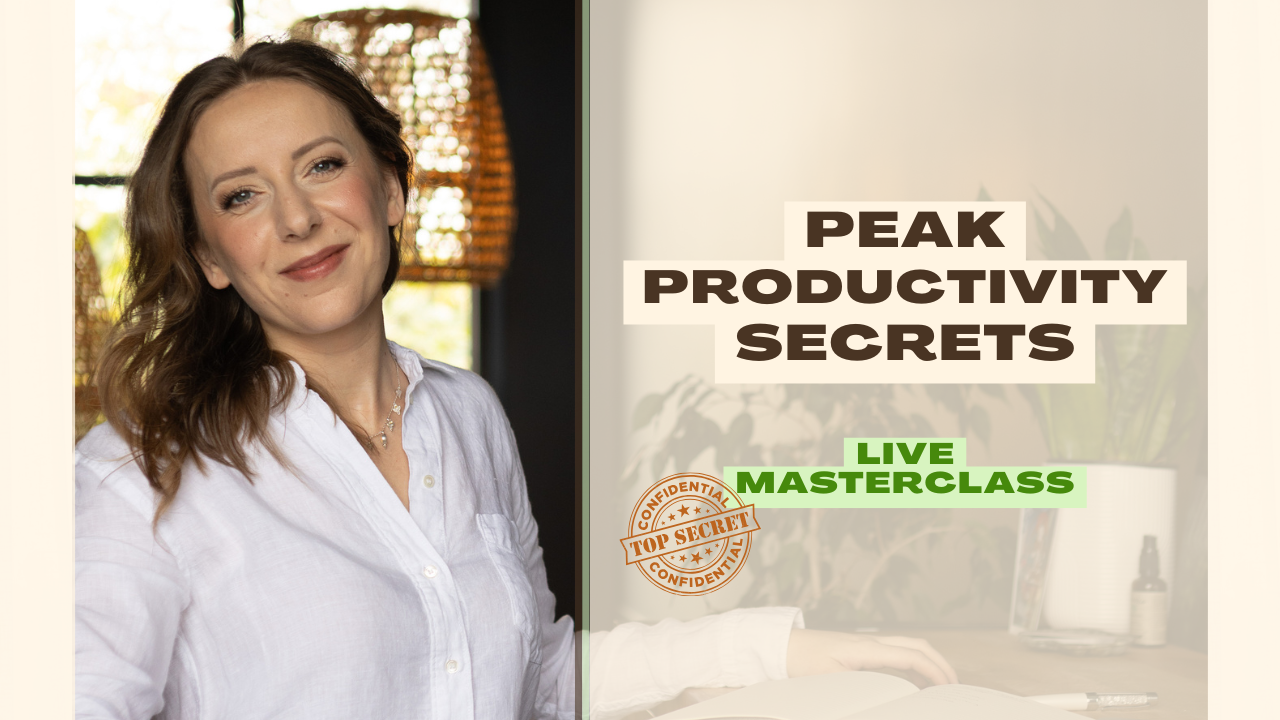
today's episode, you are going to hear from Alicia Diaz-Blevins about the unexpected
connection between productivity and creativity, so that you can harness your peak
potential while having fun and making art. So if you are down to have some fun while still
being damn efficient and productive AF, this episode is for you. Let's dive in.
Viktoria Levenberg: Welcome to Resonance, the podcast for high performers and
entrepreneurs who want to do life, work and success differently. I am your host, Viktoria
Levenberg, and I'm obsessed with efficiency, productivity and planning in a way that
harnesses your energy and your natural rhythms, while keeping you in alignment and
integrity. Because I have figured out that lasting success is not about the hustle. It is about
being in resonance. Let's begin.
Viktoria Levenberg: Okay, I've got a question for you. What are some of your most creative
hobbies, passions that you dedicate your time, your energy to on the regular? And look, if
you're struggling to answer this question, no judgment, because I was in your boat.
I was always the type of person who would, I wish to do all these amazing creative things
and then always have them be overshadowed by some other seemingly more important
and more urgent things. And so if you're like me or like some of my, most of my listeners or
my clients, chances are it's like, wait, what creativity? I ain't got time for that.
So trust me, I've been there. You're gonna love this episode because I am interviewing
Alicia, who is a productivity and leadership expert turned art teacher, on both her journey,
but also what she discovered still balancing the intricacies of being employed in corporate
full-time, while building her own very successful business and navigating a lot of family
demands, all while still staying connected to her truth, staying in alignment and making
time for play again.
And Alicia and I met as part of our business community. I'm so lucky. I mean, I get to
connect with so many incredible people in that space. And as soon as I heard her niche, I
was like, oh my god, I need to bring her to you guys, because she's got this really unique
perspective of the balance between the two.
You know, so you'll hear her talk about the importance of not just over-relying on your left
brain, logical side of your mind, which is what most of us are doing every time we're looking
at the screen and ticking the boxes, but really needing to harness, to give energy to, to give
attention to flexing that muscle of our right side of the brain.
Now, I know the brain isn't a muscle, but you, you get what I'm, I hope you're seeing what
I'm trying to show you here. Um, anyways, I'm just gonna let Alicia take the mic, because by
the end of this episode, you're gonna know exactly how to leverage creativity so that you
can have a fuller, more balanced life without sacrificing your success.
Let's begin.
Viktoria Levenberg: Welcome to Resonance. Is it Alicia or Alicia?
Alicia Diaz-Blevins: You can say whatever you want. Alicia is my name. My, my husband
calls me Alicia.
Viktoria Levenberg: Oh, really? So he even calls you differently. Well, we'll just see where
the wind takes us. Yeah. Welcome, Alicia. It's really nice to have you on Resonance, and I'm
grateful we made it happen.
Alicia Diaz-Blevins: Yeah, thank you.
Viktoria Levenberg: And I would love to hear from you. Can you introduce yourself? Like,
just tell our listeners a little bit more about who you are, what you do and what brought you
here today?
Alicia Diaz-Blevins: Yeah, sure. Of course. Some, thank you so much for the invite. I am so
thankful for that. Um, I, because of my accent, you can imagine I was not born here in the
US. I was born in Mexico, and I lived there like almost like half of my life. I moved to the
States at the end of 1999, I think, and then I have been living here since that time.
Um, I've always worked in finance and human resources areas in corporate, and like about
2016 or 17, I was laid off of a, one of the companies that I was working for. And I said, well,
maybe I will take this opportunity to start my own online business.
So then I started doing actually productivity, leadership and all those type of things. So
that's what I was doing. Then I was invited to join another corporation, so I went back to
work, and then I was invited to join another one as a consultant. That was the idea. And
then, well, we fall in love of each other, and then I continue working with them full time until
today.
But I have been building my business at the same time. And at that time I was still doing
leadership, productivity and all the stuff, but honestly I was getting really, really tired and
really stressed out. Because imagine, it's like juggling like a, I had a full-time job and
coming home and work more on the productivity, leadership and all that stuff.
And then my husband had some health issues, so I was juggling everything. And I was really
getting so stressed out because it was like, I need to do this and, and the full-time job that
was pretty demanding, my family, the, my husband helped, and then trying to build my
business in leadership and productivity. So I was like, this is not making me happy.
So my happy place really was to relax and enjoy doing some painting. So I was doing like,
uh, I don't know if you are familiar with fluid art.
Viktoria Levenberg: Uh, no. Could you explain it a little bit more? I'm sure that our listeners
might want a little bit more.
Alicia Diaz-Blevins: Actually, if you give me one second, I can show you. This is what a
Fluid Art.
Viktoria Levenberg: Oh wow, that's so beautiful. So for those of you listening on the
podcast, um, Alicia is showing us like this circle of blues, and it's so beautiful because they
all melt into one another. It's almost like this metallic spatial fluid, really paint picture work
of art. Wow. Thank you for sharing.
Alicia Diaz-Blevins: Exactly. And I have always love art. Like you can see here, that is some
more realistic, right? It's like more like, um, impressionist kind of art.
But yeah, this, this requires more to be more precise, to, to look that a flower looks like a
flower, or like a tree looks like a tree, or a house has the correct perspective. But when I
discovered this fluid art, I loved it because it's a matter of, of really like expressing yourself
through art without that stress.
So I use that as my relaxing time and all that stuff. And then I started like working with my
family, with some friends, and some of them told me, why don't you teach art instead of
teaching leadership and productivity?
And you know, we always have that imposter syndrome, that who in the world do I think
that I am in order to teach art, right? I, I don't have a, an art degree. I don't have like those. I
have a degree in business. I have been doing that all my life. I have been working on
productivity and finance and this and that. So I felt I am not like, like, like, uh, any big group.
But I know, and I know how to do things, and I didn't feel that way without.
So at the beginning I was kind of like hesitant. But then I said, why not? I do this for, to relax,
to have fun. I'll, so I started and doing that. So I pivoted my business and stop doing
productivity, leadership and all this stuff, and I started teaching art.
And I don't regret it. I absolutely love it, because it's really a way to relax and decompress.
It's really a way to life, even though I am still doing exactly the same, going and work 9 to 5,
come, come and take care of my family, check on my husband and all the stuff, and then go
and teach art.
But when I am teaching art, I am relaxing, so I am having fun. I am painting. I am playing
with the, with the, with the paints and the colours and the surface and techniques and this
and that, and I love it. So it's like, ah, this is the best of two worlds, because I am trying to
build my business doing something that I love.
And I have had the opportunity to meet a lot of people through this, and for them to tell me,
this is awesome. This is really, this helps me to relax. This help me decompress. But now I
feel proud of something that I did, right?
And, and people that never thought that they could do some, something nice, now they are
so proud because they could do something nice. It's like they could say, wow, I did it. It's
like, I am so proud of that. So, so that's how all this stuff is started, and that's how is it
going.
Viktoria Levenberg: That's amazing. And I think, you know, it's definitely a big pivot to go
from leadership and productivity to teaching art, and I can only imagine the, the imposter
syndrome and all those things. And it is like such a powerful, uh—picture of how you can be
doing the same thing on the surface, right? If you think about it big picture, yeah, 9 to 5
corporate job, business side hustle, family demands, and yet it's those little things about
how you feel. Like, is it heavy and weighing or you on you, or is it lighting you up and so
much fun?
And I can really resonate with what you're saying as well. Um, just before we got on our
podcast, I was delivering my membership call, which is like, we get together and, cause my
niche is still productivity, planning, efficiency, all the things, we do like a planning party.
So we come together and, like, look back on the last month and then look forward and plan
and, and I kind of help them with any sticking points. And that is my passion. Like, it is so
much fun seeing someone just, you know, probably similar to that feeling you have when
they're like, oh, I'm so stressed, I just wanna paint something, and whoa, I've got this end
result.
To me, the equivalent of that is like seeing someone be like, oh, my schedule is so
overbooked, I don't know what to do, to being like, wow, I feel amazing about this next
month. It feels so light and easy. I'm like, yes. Yes.
Alicia Diaz-Blevins: Yeah, and it's so cool because it's like, you know, you are doing exactly
the same at exactly the same time, and it's a matter of only to prioritise what is important,
right?
And also one of the thing that I tell, that, that I tell also my students is like, why a pilot, for
example, is not allowed to work more than certain amount of hours? I don't know if you
have been on situations that you are flying and suddenly you are stuck in the plane because
they tell you, you know what, there is a problem with the maintenance of the aircraft.
And then it takes a little bit longer than expected, and suddenly they tell you that now you
need to wait because they are looking for a replacement of the crew. And they explain to
you that because there are regulations that they cannot fly or be working more than certain
number of hours.
And then you check that, and in transportation is the same with the trucks and all the stuff.
And, and you say, of course it makes sense. It tells you that your brain needs to rest. Your
brain needs to be distracted on different things other than that, that work.
So why a pilot can do it? Because they are forced to do it. Why a truck driver has to do it?
Because they, a police officer, they have to do it. Why we as entrepreneurs or professionals
don't do that?
Viktoria Levenberg: Yeah.
Alicia Diaz-Blevins: You, we think that we, we are going to achieve more because we are
working more and more and more and more and more hours, and that's not true.
You need to balance. You need to balance your life in order to be able to be productive, in
order to be able to be really like, like, like, um, your mind needs to be fresh and open to
ideas.
Like, for example, to me, I am more efficient in the, in the morning than in the afternoons
because my mind is totally rested. I can get up at 5:00 a.m. in the morning, start working,
and, and I, I am more productive in the morning than in the afternoon.
In the afternoon, I am slower, and then I cannot think, like, really, like, is my mind is not as
sharp as in the morning. And yeah, if you know that that is some of your, of the way that you
work, do it like that.
But in the afternoon, relax and either, to me, like, meditation is okay. Exercising, I wish I
could. But really what really relax me is go and paint. It's like, it's my meditation time or my
exercise time or, like, my me time. So that, that's, that's what I started doing it.
And then when I started teaching it, I loved it because the people that I used to talk to and
play with and do all that stuff, they told me the same. It's like, they tell me, I cannot believe
that we have been painting already almost 2 hours. I didn't feel it. My, my legs felt it, but I
don't feel it.
Viktoria Levenberg: Uh-huh.
Alicia Diaz-Blevins: So, uh-huh.
Viktoria Levenberg: Yeah, absolutely. It's that flow state that people so often speak of, you
know, which we're always trying to tap into. And it's funny, it's like available to us in the
most unexpected of moments.
And there's a few different angles where I wanna go with you next. And before we do that,
I'm just so curious, you know, now that you've shared a little bit about you and your journey
and who you are, what I love to ask the guests who come on this show is, like, what's one
thing that doesn't show up in your official bio about you?
So, like, someone wouldn't know this about Alicia unless they actually listened to this
episode. Something, it could be work, life, business, you know, just something about you
that you wouldn't really find if you just Googled Alicia. Haha.
Alicia Diaz-Blevins: Well, you, you will not find that I love photography, for example. And,
and I actually, it was funny because I started photography because I wanted to, to paint my
own art, right?
It's like, when I started painting, I started more in the realistic type of paint, the one that I
show you with flowers, or like, I, I always like kind of a little bit of abstract, like, or Georgia
Keith, for example, type of art.
But, um, to, to, to, to be inspired, I used to go to look for clips or for information, magazine
or whatever. And somebody told me that I had to be careful because those are copyrighted
images and you cannot use them as LA, as like a reference photo unless you get
authorisation to do that.
So I said, I'm not going to be looking for those people to get authorisation. I rather go and
take my own pictures, and based on that, and I, I will do my own painting. And they, I fall in
love of photography that I stop painting.
Viktoria Levenberg: Oh my gosh, that's so cool.
Alicia Diaz-Blevins: And then, and I came back to painting, and then I left photography
aside, but that's something that you could not find.
Viktoria Levenberg: Wow, that is, and it's, it makes a lot of sense, you know. It's like, you
strike me as a really visual person, right? Like art, painting, photography, they're all very
visual, um, crafts, and they're so complementary as well. Like, such a cool skill to have.
Um, so thank you. Thank you for sharing that. And, you know, again, it just really speaks to
the breadth of you as a person, when you have that multidimensional facet of you as a
being, when you don't just give your life and soul over to just your job, or just your family, or
just your business. You kind of doing a little bit of all of them.
And what I would be really curious to hear from you, you know, with a background in
productivity and leadership, now turned creative, what are some of the myths that you wish
you could remove in the productivity space?
You know, cause you, you have quite a bit of insight from those times, and probably a really
fresh perspective now, and I would really love to hear that perspective.
Alicia Diaz-Blevins: It's like, and one of the most important ones that people tell me, I
don't have time. I don't have time for this, right? And, and yeah, having thought productivity
and having thought, like, about is about the balance thing, is I always tell people, like, you
can make the time if you want to make the time.
Viktoria Levenberg: Mm-hmm.
Alicia Diaz-Blevins: Is, tell me that it is not important for you to go to the doctor, or tell me
that it's not important for you to, ah, take time with your family, or to attend a function for
your daughter, or to go with your son at a football game or something like that.
So as important as that is, you can also schedule time for yourself. And you can scale one
hour a week in order for you to do something creative.
It could be, it could be painting. It could be reading a book. It could be, like, dancing. It
could be listening to music. It could be some type of art.
But I do believe, and I have experienced, that you need to really balance your left side of
your brain with your right side of your brain. That's, it's like, you cannot be overdoing in the
left side that is working, working, working and being productive and, and getting things
done and all that stuff.
You need to balance the right side of the brain because the more you balance those, you
are going to be sharper, and you are going to get better results, and you are going to be more
effective, and all that stuff.
So to me, telling me that you don't have time, I never said, I, I said, that's no.
Viktoria Levenberg: Yeah, it's a story. But it's a limited belief.
Yeah, hundred percent. And I'm so grateful you said that. Yeah, sorry, keep going.
Alicia Diaz-Blevins: Yeah, it's like, no. It's like only tell me, if you go to your cell phone, go
and check how many hours do you spend on social media.
Can you cut one of those hours a week, and instead of being, like, checking social media,
can you go and do something creative?
Viktoria Levenberg: Yeah.
Alicia Diaz-Blevins: Even by yourself or with your family members. It's so much fun to have
family members joining you and have fun doing what you are doing.
I, I have had my stepson, my stepdaughter, my nephews, my husband, my sister-in-law
joining me, and we have a great time together. So why not?
It's like once a week. Can you do it once a week in order to feel productive or energised and
proud of something that you can do? Of course you can. So yeah.
Viktoria Levenberg: I love that you say that so much because, um, you know, you speak to,
again, we've got a lot of both corporate professionals and entrepreneurs listening to the
show, and so balancing your left and right hemisphere of the brain is actually what makes
you more productive when, then you are in the boardroom, when you are at work, when you
are looking at the spreadsheets.
Because when we are, again, it's just like anything else in life, when we are out of balance,
when we are over-reliant on that left side of the brain, the other side of the brain starts to
atrophy, and you're not maximising your full potential.
And that is why I love practices like meditation, for example, because studies show that
people who meditate regularly or have some kind of mindfulness practice, which you could
argue that art is also a type of mindfulness practice, you create more a stronger corpus
callosum, which is this matter that bring, bridges your left and right hemisphere of the brain
together, so you literally become more whole as a human being, more, more coherent.
Alicia Diaz-Blevins: Exactly, exactly.
Yeah.
And it's really important. I mean, and, and there are different type of arts. They, they, they
are different type of things that you can do, and you can do that by yourself, or you can do it
that with your family or even your friends.
That's why it's so popular to go to like a, one of those paint and sip places and all that stuff.
It's like, it's there to have fun.
Of course, I'm not going to go pay a, like, $100 every week, but I will be painting a, like, of
course, one hour a week by myself or, like, through the internet or, like, with a teacher in
front of me or whatever.
But doing something that really, like, feels your soul, it's like, it's, it's really, it's really, if you
try it, for your listeners, try it. Try it. Try to see it and try to, like, put some colour there, and
forget about trying to get a tree.
I don't like to paint trees, like, they look like a tree. I like to put paint on my canvas, and I
only need to know how to mix the colours so they don't make Moody colours, and, and then
I have fun with that.
And I don't care if it is, it will never be the way that, that you think that it's going to be, and
that's why I like it, because I am a control freak person, let me tell you.
And then, yeah, so, so I cannot control that. That's why I like it, because I know that it may
be this way, but the paint is going to do whatever it wants.
And if I move it, I tilt it a little bit different than, than going one side to the other, it's going to
give me a totally different result, and that's fine.
And I have learned to let it go as well, because I am playing with my canvas, and maybe I
had an original idea, and at the end of the day it was something different, and I am learning
to say, oh, this is so cool, even though it's not exactly what I thought it was going to be. It's
even better, or it's simple, different.
And when I haven't gotten something that I really like, as easy as I can take it out the paint, I
reuse the paint and I do it again.
Viktoria Levenberg: Beautiful.
Alicia Diaz-Blevins: And that's it. And that's it. And that's what I tell them in my YouTube
channel. It's like, if you don't like it, don't worry. It's like, look, we scrap it.
Some people have told me, no, why did you scrap it? I said, because it's not exactly what I
wanted. So I scrap it and I do it again, and that's it.
Viktoria Levenberg: Yeah, and I love that. Like, that is such a powerful metaphor for so
many areas of life as well. It's just like, you gotta let go. You can't control the thing. You can
have a rough idea of what it's gonna turn out like, but then you kind of just go with whatever
it brings you. And then if you don't like it, you change.
And I'm gonna take that metaphor and put it back into, you know, sort of why I find planning
is so damn important as well, because, like, yes, you need some kind of vision.
Like you just said, I need to know what colours to use so that it doesn't get muddy. You
need some kind of direction that's in alignment with where you wanna get to, and, you
know, you need a plan.
And then, but then, you never know how the angles gonna go of life, and then if you don't
like it, guess what? What? You get to change the damn plan, just like you get to change the
damn artwork.
And so, yeah, it is so powerful.
Alicia Diaz-Blevins: And it's, it's so interesting because if you see my agenda, for example,
I am a colour-coded person. So I use my agenda not the way that a lot of people use it, only,
like, set up their, their meetings.
I also set up time to work on things that I need to work on.
Viktoria Levenberg: Because you're a productivity expert, and you know exactly what
you're doing, girl. I see you.
Alicia Diaz-Blevins: Exactly.
Viktoria Levenberg: If you're enjoying this episode, you will love my free newsletter,
Flourish Weekly. It is an email that you actually want to read, and you will be the first to
hear about new offerings, events, and upcoming episodes of Resonance.
The link will be in the show notes below, and you can also sign up through my website,
viktorialevenberg.com, or by heading to the link in my bio on Instagram, at Viktoria
Levenberg.
Now let's get back to the episode.
Alicia Diaz-Blevins: So I have certain colour for things related to human resources, and
certain colour for reports that I need to make, and certain colour for stuff that I need to do
in operation.
So you could imagine that I am so structured in my work that you could say, how in the
world she's doing so structural work, working with numbers, and then suddenly going to the
opposite side that is let it go, let it fluid, let, let's see what happen.
If you don't like it, like, erase it and do it again. And to me is, is that part of freedom, right?
It's like one thing that I learned from my mom years ago was, like, when things doesn't don't
go your way, it's because there is something for you to learn.
So I stopped kind of, like, fighting and stuff, and I kept saying, okay, things happen not to
you, things happen for you.
So I do the same philosophy with my pains. It's like, if this is not happening the way that I
want, it's like, okay, let's, let's, let's move them. Let's change it. Let's figure out, or maybe
let it go and paint something on top of that.
Now embellish it. Now create something beautiful out of that.
And, and that happens sometimes. I get something that I don't like, and then I say, okay,
what can I do on top of this that could look really cool?
And then I get an idea, I paint on top of that, and then it, something that was eh, OK, then
turn out really beautiful, because you look for the good part of those things, and then you
enhance it or, like, embellish it.
And, and that's what it is.
Viktoria Levenberg: Another metaphor right there. It's like, well, sometimes if it's, you
know, you're too far down the track, or you don't wanna erase everything you've done, it's
sort of like, well, okay, I've got this, and maybe I don't quite like the result that I'm getting
here, but what can I do to make it better? What can I put on top?
And, um, yeah, there's a really, again, like, art leaves little clues for us of other areas of our
life as well.
And I see that all the time. Like you mentioned earlier, I don't know if it was before we were
recording, but, like, the little paint-by-numbers video that I posted in our community, right?
And it's like, this happens to me all the time. Like some of my creative things are, yeah,
painting by numbers or, like, playing the piano.
And I have all these, like, realisations coming, like, oh my God, this is just like in life, where
you need to do the 20 million practices of the annoying chord 30 times before it actually
flows effortlessly.
And so it's like, there's a lot of little hidden nuggets of wisdom and insight when you
actually give yourself permission to make the time.
Alicia Diaz-Blevins: Exactly.
Viktoria Levenberg: For this, for yourself.
Alicia Diaz-Blevins: Exactly.
Viktoria Levenberg: To be creative.
Alicia Diaz-Blevins: And also it's like, you are not going to become a master doing things
one time. You need to do it one and then two, and then three and then four.
And if you do that consistently and constantly, then in No. 10 you will, you can compare
your first to the last, or the most recent one, and you will see a huge difference of those
type of things.
And as I always say, if you don't like it, it's just paint. Nothing happens. Either you scratch it
and start all over again when the paint is fresh, or you let it dry, you paint on top of that, you
put like a, a coat of yes, or paint, and then you paint again.
It's not a big deal. It's not the end of the world. Nothing is going to happen. And it's really for
you and, and you will learn a lot, because you start learning to let it go and, and relaxing
and, like, not, not focusing on the little things, but focusing on the big picture, focusing on
the big outcome.
It's like sometimes they say that you need to, uh, not, uh, worry about winning the battles,
but to win the war, right? It's the same. It's the same.
It's like maybe you lose here or you lose a little bit there, but at the end of the day, if you are
going the right way, you are going to win the war.
So it's, it's like those type of things, and you start letting it go. And when you do that with
your painting, your creativity, or whatever you are doing, it's, it's so interesting how you start
changing also your attitude in your work, because those things that at the beginning kind of
matter too much to you, they no longer matter that much, because you realise those are
little things that are not as important.
They are not really going to get to the big outcome. They are like little, little stones or little
things, little rocks that are in the way, and then you start letting, letting them go, letting
them that, okay, this doesn't bother me. I'm focusing on this big picture of—
Viktoria Levenberg: Yeah. And, and that's again, like, such a powerful distinction of how
having those little life lessons through a seemingly completely unrelated area is helping
you flex that muscle to practice those same skills in a different environment.
So you, you share that really well of, like, actually being able to understand, okay, see the
big picture, what's important, what's not important, um, and do you maybe have a specific
example from your life—That you'd be willing to share of, like, once you started to
reconnect with your creative side, how your personal approach to productivity and
corporate changed?
Alicia Diaz-Blevins: I, I can tell you not only in productivity, but also with my family, right?
It's like we, we all have either kids or stepkids or something like that, and being
perfectionist or being, like, people that set, like, set up your agenda the way that we set up,
and we want everything perfect, right?
And then I go to the kitchen, and I find my kitchen, like, a mess because my stepdaughter
decided to prepare the food for his father for Father's Day, right? And it's a big mess, and
other times I could have said, I have this, why did you have this?
And I saw the kitchen, and I say, well, she's, that, that's, it's like my painting. It's all over. If
she's going to fix it, and she's going to keep it the way it is, and maybe she left some flower
in the floor, and that's it. It doesn't matter. Let it go.
And yeah, it has helped me to see the big picture. The big picture was the little detail that
she had with her father for Father's Day. So who cares if the, if the kitchen is a mess right
now? She's going to clean it, and if not, I will tell her, please clean it.
But it's, there, there's no need to, like, fight or, like, confronting. In the past, I could have
fought, or I could have confronted her, or, or I could have told her, oh, this is so good, or
please leave, clean the, clean the, clean the room, or something like that.
Right now it's like, OK, let it go. That's not a problem.
And that's one example of little things that no longer bother me as much as they used to,
because I am more relaxed. I am more, like, like, it has taught me that at the end of the day
is more, like, the big picture that you have, is more like the final result more than the little,
the steps that you go through things. So yeah.
Viktoria Levenberg: And for someone who you self-define yourself as someone who is a
big control person—
Alicia Diaz-Blevins: Oh yeah.
Viktoria Levenberg: —this is a huge, valuable kind of lesson and muscle to flex.
And, like, with that in mind as well, like, what I'm really curious to hear your perspective on
is, you know, you still juggling a lot. You've got work, you've got your business, you've got
obviously a lot of family demands.
And so how do you manage your energy, your calendar, and your creativity when things start
to get a little bit much and a little bit overwhelming? What does that look like for you?
Alicia Diaz-Blevins: One thing that I have learned is that you need to focus. You need to
focus on, I am working from 9 to 5, then I am working from 9 to 5. I am focusing on that.
Even though right now that I'm working from home because I'm taking care of my husband
and everything, I try to organise my time to have both.
So then I know at what time I need to set up my meetings, at what time they need to leave
me a little bit of free time so I can go and take care of my husband, and that's it.
And the other part is, like, once I finish that, I disconnect. I try to disconnect. Turn off my
laptop, as simple as putting the, the screen down and close it.
Close the laptop.
Viktoria Levenberg: Yeah.
Alicia Diaz-Blevins: And then moving to the other side. So then it's like I clock out in my
mind of my job, and then, and now is my time with, with my family.
And then I need to work on my business, because I still need to work on my business. I'm,
I'm not only teaching art. I need to create my landing pages, and I need to, like, set up my
email reminders, and I need to, like, open the card, and I need to connect a many chat, and
I need to blah, blah, blah, blah, blah, blah. Big list of stuff that you need to do.
But it's like that. But also it's recognising when you are already, when your body tells you
stop.
It's like, like, for example, last week it was, like, at seven PM I was tired already and say, you
know, enough is enough. Good night. And that's it.
I use one, the Pomodoro technique that I am assuming that you work on that.
Viktoria Levenberg: OK. Do you use it?
Alicia Diaz-Blevins: So I have…
Yeah.
Alicia Diaz-Blevins: I, I have my little 50-minute clock here, 50-minute timer, and I set up
my 50 minutes, and I work on my business for 50 minutes. I relax then, and I come back
another 50 minutes, and that's it.
The, the clock is done, and I am out of here.
And it, it takes time for you to be disciplined and respectful of, of that. But you learn that if
you, if you don't do that, then you start, like, not putting priorities where you need to get
priorities done. Yeah.
Viktoria Levenberg: Yeah, and, and, you know, we're also unique and different. Like, the
50-10 works really well for you.
I think it all comes back to what you're saying here, is managing your energy, managing your
time, which are your two most precious resources, and doing that from a place of
conscious choice, from prioritisation, from alignment, and listening to the signals that are
coming your way, whether it's from your body, whether it's from feedback from your family,
or, or anything else.
And it is, it's a juggle. It's a juggling act.
Alicia Diaz-Blevins: Yeah.
Viktoria Levenberg: And, um, it, there's an element of discipline, and I think also an
element of coherence and alignment with yourself.
Because, like, I want to applaud you as well for being able to listen to your energy in that
way. I think, you know, one of the dates that we originally had scheduled this conversation
for, you were like, hey, my energy is really low, I need to move this.
And a lot of people who struggle with perfectionism, people-pleasing, and letting go of
control would not be able to say that.
And so, like, I always respect that. I'm always like, yeah, body, family first, you know. Sort of,
like, you do what you need to.
And it takes a level of self-trust to be able to listen to yourself, so that you don’t snowball.
Alicia Diaz-Blevins: Yeah. And that is totally true. I mean, and thank you for saying that,
because that's totally true. It's like, I didn't feel well. I was not feeling well.
I was not going to give you the energy and the, and the focus that I could have given you
today, right?
Even though today I was struggling trying to get connected, but anyway, today I was in the
mood or in the, in the focus on, on giving you all the energy.
That day I was not because of the struggles, and the second part when my husband was
sick, I couldn't as well.
It's, it's there, there were so many things that I would have been, my mind here and half of
my mind over there, and trying to exactly juggle, to think that you cannot.
And that's the part that we all need to recognise, right? Is that when is the time to do certain
things.
As I said, I am a morning person. If I am a morning person, I know that I need to schedule
the more difficult things for me to do in the morning, and then the less stressful things to do
in the afternoon, and the easiest stuff.
And so maybe meetings or conference or whatever in the afternoon, and that's it.
If, if, if, if, if I am the hour person, then I would do the opposite. I cannot function at 7:00
a.m. I need to function already until 10, 11, right?
So you need to know, and you need to see what are your, yeah, like a stress.
Viktoria Levenberg: Yeah.
Alicia Diaz-Blevins: To me, the afternoons on the evenings are for my husband to have
some fun, and for me to go upstairs and paint. Those are, those are for me, like, my
activities in the afternoon.
Sometimes I don't even feel like painting. Sometimes I am like, OK, I'm gonna to go and sit
in the couch with my husband and watch some TV because I don't have even energy to do
that.
I'll do it tomorrow morning on a Saturday morning when I feel more relaxed and inspired. So
yeah.
Viktoria Levenberg: Yeah. Yeah, same. I, I totally resonate with what you're saying there.
And, like, sometimes I'm like, yeah, I could do this, but actually I just wanna go to sleep. I'm
like, I'm just gonna go to bed really early and, and recover in that way.
And, um, yeah, it comes down to really prioritisation, focus, alignment, and balance, is sort
of a lot of what I'm hearing.
Alicia Diaz-Blevins: And one important thing is to learn also how to say no.
Viktoria Levenberg: Yeah.
Alicia Diaz-Blevins: To say, to say no, because sometimes, as you said, we want to please.
We are people pleasers, and we want to be nice with people, and sometimes we
overcommit or try to overdo, and that only kills us.
It's like, you need to, you need to be able to say no. I can't. I'm sorry. I can't. I wish I could do
it, but I can't. It's, it's not possible for me.
It's like, for example, right now one of my dreams is to try to show my art in, in, like, a gallery
or, like, in a, a fair, right?
So one friend told me, hey, this is going to be really cool fair that may happen in July, and I
said, I'm not going to be ready for July.
I would like to have 10 big pieces that are totally cured already, that I can frame and all that
stuff. It's going to be so stressful for me.
I rather say no to that opportunity and to set up an opportunity for December or for
February of that next year.
And then I know that I need that opportunity, then I'm going to create one large piece of art
during this month, let it cure so I can varnish it and frame it, and then the following month,
and I get an idea how many I can hang and all this stuff.
But sometimes you say, oh yes, this is so exciting, it's a great opportunity, and then—You
killed yourself trying to get everything done, that it's, instead of being a blessing, it ends up
being a curse.
Viktoria Levenberg: So yes. Yes, and, and it takes all the magic out of it as well.
And I think, you know, you're so great at this because of your background in productivity,
leadership development. Like, you're just so amazing at these skills naturally. And I think
that's why it's also so important for people to build that muscle and to learn how to do it.
So that, because there's a process, there's a system for it. If you've always been a yes-sayer
and bending over backwards to please everyone and forget about yourself, and just jump
on every opportunity that sounds shiny and exciting without thinking twice about the
consequences—
Alicia Diaz-Blevins: Exactly.
Viktoria Levenberg: —no wonder then there is a snowball effect of overwhelm and
exhaustion that kind of tends to compound.
So, um, yeah, thank you so much for sharing your story and, like, the balance of creativity
with the left brain, kind of where we tend to dominate.
And, um, you know, as we kind of reflect on our conversation here together, if there was one
thing that resonated with the listeners long after this episode ends, what do you wish that
one thing would be?
Alicia Diaz-Blevins: I give yourself a chance. Is give yourself that opportunity and try it. Try
schedule one hour a week. I don't ask you more, one hour a week, and do something that
makes you feel that creativity, like, push.
It's like something, if you like to play piano, if you like to play guitar, if you like to listen to
some poem, if you like to listen some music, if you want to create a, like, drawing, or like
doing doodling, or like painting, or watercolour, acrylic, crying, whatever you want to do, try
one hour a week.
It's like, forget about your cellphone. Forget about social media. Take, if you have kids, like,
go outside to your yard, or like go even to a coffee shop, or go to a painting class, or do
whatever you want.
But one hour a week for you on something creative, and do it during a certain period of
time. You will see how much that impacts in your life. You are not going to believe it. It's
really magic.
It's like that time when you feel yourself, when you feel that you are giving that creativity and
you are creating something really cool, and then you say, oh, I could do it. I could really,
like, relax and, and decompress and create something.
And then you feel, like, satisfied. That, that gives you that satisfaction, and then it helps
you. It, it puts some energy on you, believe it or not.
Viktoria Levenberg: Yeah. Yeah, and, you know, if someone listening right now is struggling
to think because it's like, oh my God, there's so many options, what do I do? My guidance
would be, think of what you used to enjoy as a kid, because that's always the best starting
point.
Like, I don't know if you love, like, Play-Doh or pottery or whatever. Like, you gave so many
amazing examples, and there's so many more as well.
Um, you know, you can even use AI to help you brainstorm.
And the second thing that I wanted to just kind of briefly mention is, for my perfectionists,
you don't need all the perfect equipment to get started.
I think that's another kind of common misconception, is like, oh, when I have the this, when
I have the best colouring kit, when I have the right paper. It's like, no. Just start. Do it messy.
Do it rough. Just get started.
Because it's not the equipment that's the block. That's just a resistance. That's just an
excuse that your mind is making up to prevent you from getting started.
Alicia Diaz-Blevins: Exactly. And, like, for example, one thing that I offer is like a starter kit,
no? It's like, you have a starter kit with the canvas, with some paints, with some things, and
that's it. You don't need more.
It's like, put, pour some paints and play with that, and you will have so much fun. You start,
you do something that makes you feel happy.
Viktoria Levenberg: Yeah. Whatever it is.
Speaking of, like, you just mentioned your starter kid, like, speaking of working with you,
how can people work with you? How can people learn more about you? Where can they
find you?
Alicia Diaz-Blevins: Oh, sure. I would be happy to, to, to teach you how to do that. But you
can go to my website that is www.ali-art.net, and you will be able to, to, to contact me
there.
I have, like, a little guide to start. I call it, like, Let It Flow. It's like, Let It Flow, like, start doing
that. It has a little bit of a small, a sample of how to do some paints.
I have some, like, a basic art kit that, that if you are in the States, you can, you can get it. If
it's a, a outside of the country, it's difficult for me to do it.
But I, if you are outside of the States, I can teach you where to buy some stuff, and then you
can do it. It's, it's, it's, it's so relaxing.
Viktoria Levenberg: So yeah, amazing. Thank you so much. We'll make sure—
Alicia Diaz-Blevins: Yeah, of course.
Viktoria Levenberg: —we'll make sure to link up your website in the show notes. And are
you, like, available on the socials, or is there anywhere else people can find you as well?
Alicia Diaz-Blevins: I have an account in Instagram, in Facebook, and I have a YouTube
channel.
Viktoria Levenberg: Oh, so cool. So people can watch your art and learn from you there as
well. Amazing.
Well, we'll make sure to grab all of those links in the show notes as well. So anyone
listening who's like, oh, I actually love this idea of, like, flow art, I wanna learn more about it,
I wanna hear more about Alicia, um, and I think you said you, like, teach it in a membership
format.
So we'll make sure all of that information is available for you down in the show notes.
And yeah, it's, if, if Alicia is your person, I mean, like, why not, right? Like, what are you
waiting for, when you've got everything that you need right there provided for you?
Alicia Diaz-Blevins: Yeah.
Viktoria Levenberg: Amazing. Thank you so much for coming on, and I know—
Alicia Diaz-Blevins: It's a pleasure.
Viktoria Levenberg: I really value your time, your effort, and your energy, because I know
that you have a lot of demands going on in your life right now, both, you know, kind of work
and life.
Um, so I'm really grateful that we were able to make it happen. And I actually think of you
quite often when I do my little paint-by-numbers.
Alicia Diaz-Blevins: So cool.
Viktoria Levenberg: Um, just thank you for being you. Thank you for spreading your
wisdom and your inspiration with the world. And I wish you a wonderful rest of your week.
Alicia Diaz-Blevins: Thank you so much, and thank you for the invitation, and thank you for
your audience as well.
I, I hope that they have gotten some ideas for them to, like, stop, like, um, getting so
stressed out for life.
It's like, life is never going to be easy, but it's our, the way that we take it and the way that we
go with it, and the way that we let it go, that yes, like, is, that's the important part.
And I hope you give yourself a chance to try these once a week, and, and then you will, I
believe that you will love it. So thank you so much for the invitation. I'm glad that we finally
could make it happen.
Viktoria Levenberg: It worked. We did it.
Alicia Diaz-Blevins: I'm so satisfied we did it.
Viktoria Levenberg: Yeah. My, my achiever is like, yes, yes.
Viktoria Levenberg: This was a really cool episode, and it is just brings me so much joy,
both from the creative perspective because, like, I'm gonna be honest with you, it's been
quite a journey for me to, you know, give myself permission to play again.
There's a lot of childhood stuff in there, and so just reconnecting with the piano again, and
volleyball, and painting, and drawing, and journaling, and writing, like, huh, it's been a long
time coming. Like, this has been years in the making.
And so I, I just wanted to say that because I know how you're feeling right now. This might,
like, I don't have time for this shit. What is she talking about? Do you know how much I have
to do?
And I was like, yeah, I, I know. That's exactly why I do what I do, and why I'm trying to help
you in Efficiency Made Easy.
And I wanna bring you stories of other people who are also living a similar life, that is
possible for you when you start to make different choices, because life is choice.
And as soon as you start to see the bigger picture and be able to look up from the minute
crazy, just running that through that hamster wheel with no end in sight, and you can make
a conscious choice of how you move forward, like, this is where anything is possible.
This is where you can change your life, or keep it the same if some things are working.
Like, this is, again, you can't change something that you can't see.
And so it was just so cool being able to bring Alicia onto this podcast because she brought
a lot of freshness from, like, we've never, I don't think we've ever had, like, a topic just on art
on the show. So that's, like, something new and different.
And she was also an ex-productivity kind of coach. I don't know if, if that's exactly how she
identified, but anyway, that was her niche, right?
And so a lot of the things, um, that she talks about and how she runs her life and how
productive, efficient, and organised she is, I'm like, oh my God, this is just like the two of us
nerding out on all the things productivity, which, you know, um, I talk about it from a slightly
different angle.
You know, those of you who been around for a while will have heard me talk about the
cycles of success and nonlinear productivity and collapsing timelines so that you can
achieve more in less time.
And yet there's also a lot that the traditional productivity model does do right. And, you
know, Alicia is a great example of that working.
And it's kind of us all looking at the same disco ball from a slightly different perspective.
And so some of the things that she shared that I also really, um, reinforce with my clients is
the big picture. You know, that's why we do the whole plan your dream life process, and
your hobbies and creativity is actually one of those pillars.
Um, your energy rhythms, like, literally drive your entire planning process. So, um, at the
time of this recording of this episode—I just got off our monthly membership call, which is
sort of like our exclusive Efficiency Made Easy alumni-only space for us to follow through
on these monthly planning rituals and get coaching and all, all the things. It's amazing.
Um, anyways, you can only get in at this point if you are a member of Efficiency Made Easy.
More on that another day.
Um, but basically, we were on the call, and one of my clients was doing their planning, and
the process that I teach is structured in a really specific way for a reason.
And one of those pieces is energy management. And so that is the first thing that gets done
before any of the planning actually happens, is to understand, OK, what are the energy
rhythms? What are the demands? What are some of the important not urgent things? You
know, the ones that we always let fall last because they're quiet. They just little whispers
like, you know, some quality time with your partner, or maybe taking the grandkids out for
an adventure.
Those little things, they're not gonna scream at you like the deadline that's like, oh my God,
this paper needs to be submitted by tomorrow.
But they accumulate, and so this process helps set everything up for success so that when
you then get to the planning, you can cater your plan to your energy rhythms.
And that's where the freaking magic happens. Like, man, I just love it so much. I had so
much fun this morning.
And, you know, hearing Alicia's story on that as well just shows how important it is to really
be able to use that information wisely.
And because it requires you to make a decision, it requires you to almost negotiate with
yourself, because Alicia spoke to this as well. It's like saying no, and rather than
overcommitting yourself, it's like being able to zoom out, look at your current capacity, the
demands that are being asked of you, new opportunities that might come up or new ideas,
and what needs to be traded off for one versus the other, rather than just trying to load your
plate with more and more crapola.
And then this is how burnout happens. This is how the snowball effect of overwhelm,
overcommitment, and terrible, terrible things that I don't want to get down too dark in this
episode today, but it, it does. It can get pretty dark really quickly if you don't keep this in
check, which was my story and, like, you know, my path of, of burnout.
And that's why I'm so damn passionate about this.
And one of my other clients, just this morning as well, shared this really powerful metaphor
of, uh, you know, if you try and chase multiple rabbits at once, you are just going to be left
without any rabbits, because you can't, like, they're all gonna be changing direction and
demanding different focus of you.
And so kind of what Alicia was alluding to here as well is just like, focus on one thing. Focus
on the one. Pick the rabbit you're chasing and chase that damn rabbit.
And then once you've done chasing that rabbit, whether that's, you know, your corporate
job or in your business or in your side hustle, whatever you're doing, and it's like, be fully
present with the other thing that you are doing.
And in order to do that, in order to help your brain work more efficiently and be more
productive and leverage your unique skill set that you were brought to this earth for, you
need to be able to tap into that right hemisphere of your brain.
You need to be able to balance the two. You need to create space to create silence, to be
real with yourself for a moment, because this is your life we're talking about here. You only
get this one opportunity.
And so next time you say to yourself, I don't have the time, just remember this, because you
never have the time. You make the time.
And so if you're gonna take us up on our little invitation, I highly recommend you look at
your calendar before you plan anything else for the week ahead.
Again, most of you don't do your weekly planning anyway, but so, like, just start with that.
But before you put anything else on your to-do list or your calendar, just pick the easiest,
even if an hour is too much, 15 minutes. Like, make it as silly, as stupidly achievable as you
possibly can.
But just set a specific amount of time, anywhere from, like, 15 minutes to an hour, to do
something creative just for you.
And as I mentioned before, if you're getting overwhelmed with all the choices out there,
just, like, again, make it as easy as possible.
What do you already have available around you that you could use? And if that is, like, too
much, why don't you just start exploring?
And even that can light people up so much. Like, I love looking for songs to learn on the
piano or looking at little, like, colouring things.
Anyways, yeah, without going too far down that track, um, that is your little invitation for
this week.
Because now you've clearly seen, like, to summarise this episode in a nutshell, that you've
now seen exactly how creativity is the productivity boost for your life, your work, your
business that you weren't even expecting.
Thank you so much for listening to this week's episode. I'll see you next week. Bye for now.
Viktoria Levenberg: If you're a high performer or entrepreneur who's got big dreams and
you've developed strategies to get you closer to those dreams, but you feel like there are
also parts of you self-sabotaging your success, I built something just for you.
It is my signature Achievement Archetypes Quiz that is absolutely free, takes less than 2
minutes, and it will give you instant feedback as to where your Achilles heel is.
That is your natural self-sabotaging behaviour when it comes to productivity, planning,
efficiency, and organisation.
And it gives you your next right step and the solution you didn't know you needed.
You'll find the link in the show notes just below. Make sure you find your achievement
archetype and let me know what it is.
As a fellow achiever, I will be the first to put my hand up that I have now mastered my
Achilles' heel, and I can't wait for you to do the same.
Viktoria Levenberg: The views and opinions expressed by guests on Resonance are their
own and do not necessarily reflect the views of me, Viktoria Levenberg, LVNHealth, or
anyone working within the LVNHealth brand.
This space welcomes a diversity of ideas, experiences, and stories, and part of Resonance
is learning to take what aligns and gently leaving the rest.
Also, while I am a National Board-Certified Health and Wellness Coach and deeply
passionate about well-being, this podcast is intended for educational and inspirational
purposes only.
Resonance does not substitute for personalised medical, psychological, or therapeutic
advice. Always seek guidance from qualified professionals for any physical, emotional, or
mental health concerns.